|
|

Sidis
Archives
Dan Mahony,
who compiled all of the research and created this website, passed away
in 2016. It was his final wish to keep this site alive and we have
promised to do so. A donation in any amount would be appreciated to help
cover costs. Thank you.
William
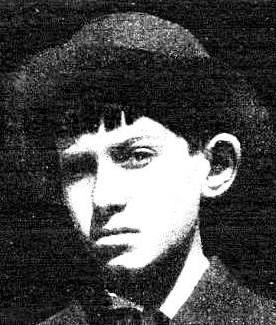
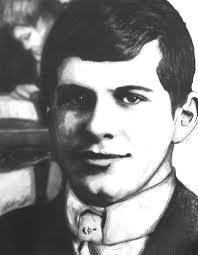
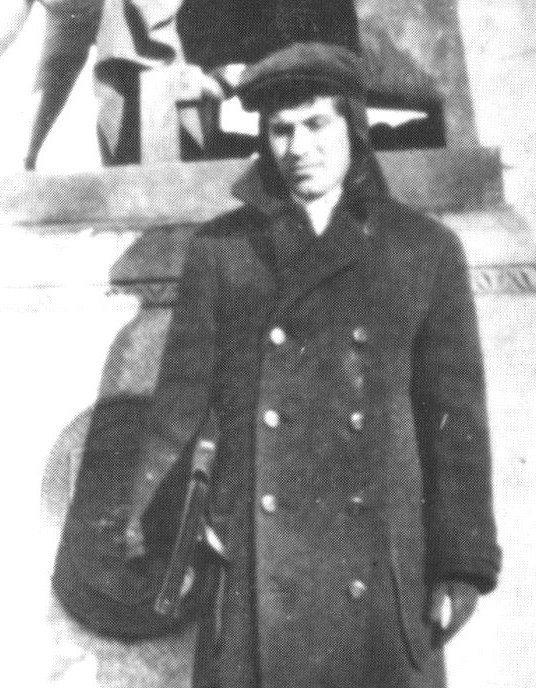
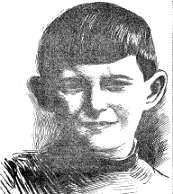
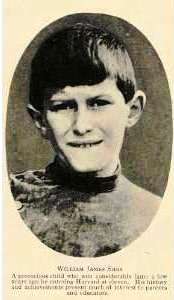
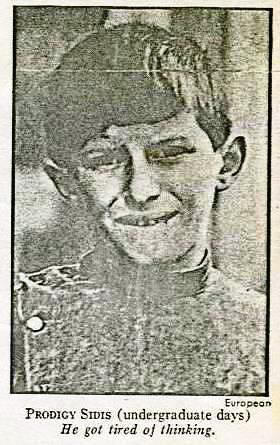
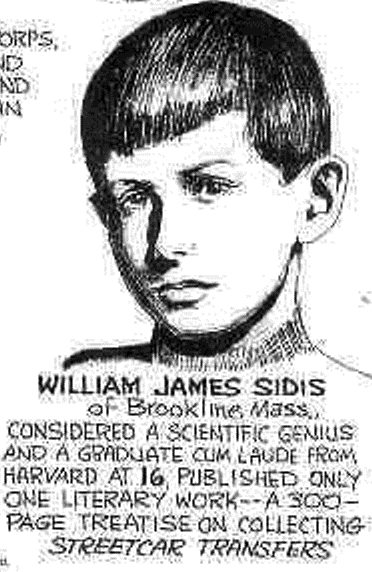
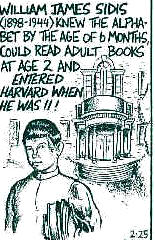
James Sidis (SIGH-dis), a world-famous child prodigy said to have been
a "prodigious failure," actually wrote many books, articles, and periodicals. He wrote using pseudonyms
because
he abided by the principles of anonymous contribution and avoidance
of fame. Thus through his own choosing the
media did not
know of his highly productive life.
Sidis
worked fulltime jobs and did
his prodigious thinking and writing on his own time.
The W.
J. Sidis Archive presents
here all of his writings found so far: four books; four pamphlets; 13
articles; four periodicals (36 issues); 89 weekly magazine columns; a
design for a corporation owned and operated by a federation
of its employees; and one wonderful invention. Also find here selected
correspondence and financial documents. See also Dr. Abraham Sperling's short
bio of
Sidis; Adam Alonzi's
short bio; and Dan Mahony's compilation
of materials
for biographers Failure?
(Click/tap images to read books, etc. PLEASE
CONTINUE SCROLLING TO
BOTTOM.)
 Boris
Sidis Archive
Boris
Sidis Archive
Presents
nearly all of the writings of this great psychologist. You'll find here 16 of his 17 books. Find
also 45 of his 57 scientific-journal and popular-magazine articles (most
of the topics of the other 12 are dealt with in his books); 22 reviews
of 13 of his works; and, we assume, all available biographical material. See
also
The Essential Boris Sidis. Boris is the father of William J. Sidis.
Click/tap images
or links to go to source.
W. J.
SIDIS MODEL OF THE UNIVERSE
|
 DARK MATTER CONSISTS OF STARS IN THE DARK
BUILDUP PHASE OF THEIR ETERNAL CYCLE DARK MATTER CONSISTS OF STARS IN THE DARK
BUILDUP PHASE OF THEIR ETERNAL CYCLE
THE UNIVERSE IS INFINITE AND ETERNAL
GALAXIES
ARE DISTRIBUTED IN AN IRREGULAR THREE-DIMENSIONAL CHECKERBOARD OF POSITIVE
AND NEGATIVE SECTIONS
"We
thus find the universe to be made up of a number of what we may
call bricks, alternately positive and negative, all of
approximately the same volume; a sort of three-dimensional
checkerboard, the positive spaces counting as white (giving out
light), and the negative spaces as black (absorbing light)."—The
Animate and the Inanimate, Chap. XII
shapes of the "brick" sections are made irregular by harmonics
"The irregularity may thus be
of two varieties: either
the medium pair of faces is caved in, and the largest and
smallest bulged out somewhat less; or the largest and
smallest pairs of faces are caved in slightly, and the
medium pair of faces extremely bulged out."—The
Animate and the Inanimate, Chap. XII
A RIGOROUS EXAMINATION OF THE SECOND LAW OF THERMODYNAMICS LED TO
THE SIDIS MODEL.
" ... we come to the conclusion that the second law and its
reverse are equally probable."—Chapter
4
 b b
3-D CHECKERBOARD?
DARK MATTER (BLUE)
SURROUNDING NPRMAL MATTER (RED) AND VICE VERSA. This visualization
from BICEP2 is intended to represent the "first tremors of the Big
Bang," but instead it illustrates well the Sidis Model. The blue areas
represent the negative dark-matter sections, the red the positive
ordinary-matter sections, each type surrounding the other as Sidis
predicted..
|
SIDIS RE THE STARS
The universe is infinite and eternal.
Stars
exist in an eternal darkstar-lightstar cycle.
Galaxies are distributed throughout the universe in an irregular
three-dimensional checkerboard of ordinary-matter spaces where
they follow the second law of thermodynamics and expend light and
heat, and dark-matter spaces where they reverse the second law of
thermodynamics and build up heat and do not emit light.
Dark matter consists of hot dark stars still in
their galaxies and filaments.
Dark matter makes up 50% of the infinite and eternal universe.
" ...
we come to the conclusion that the second law and its reverse are
equally probable."—Chapter
4
Sidis's
theory is a consequence of the laws of physics, e.g., the first
law of thermodynamics (energy is neither created nor destroyed).
 |
|
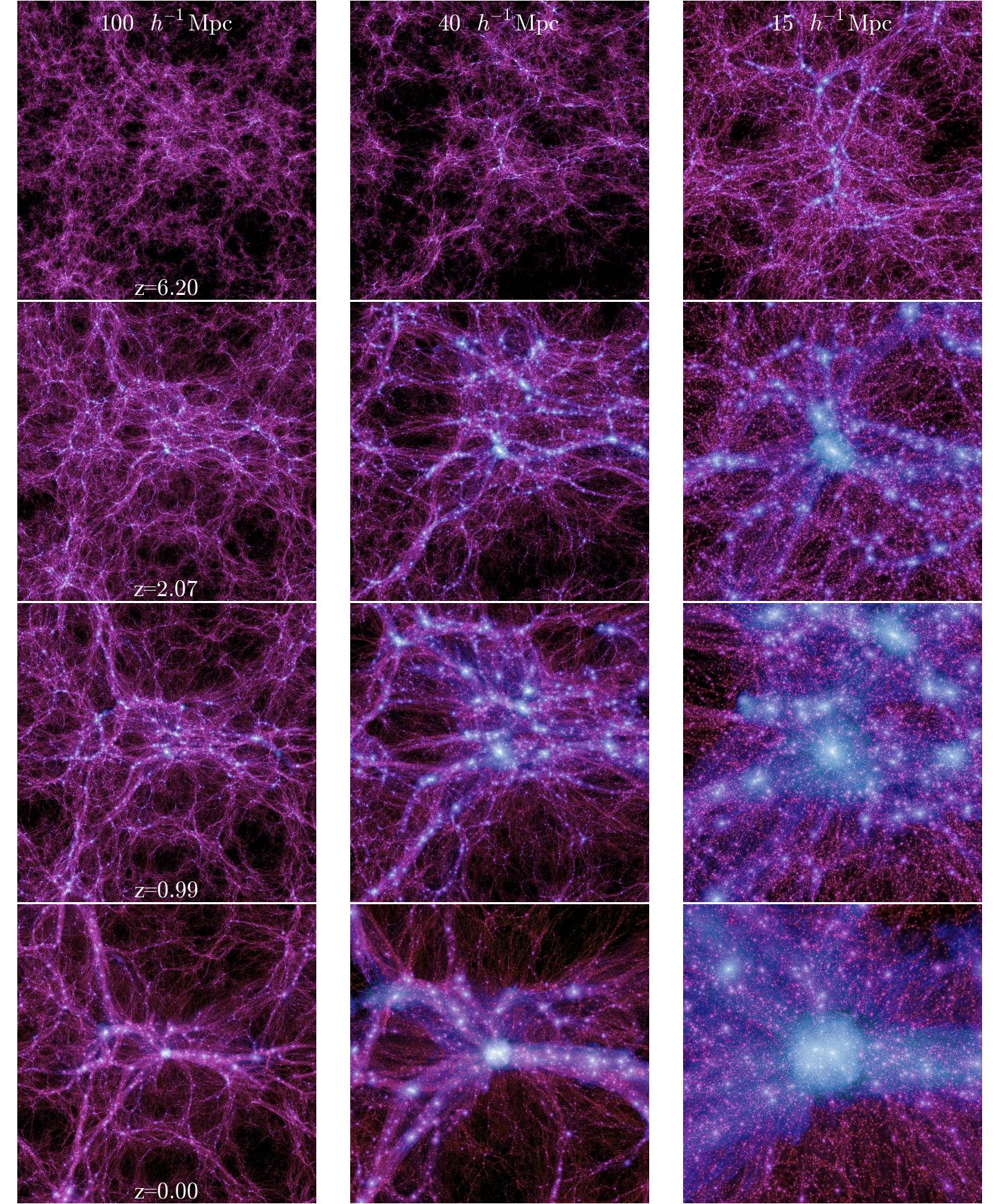
Derived by re-purposing a Millennium Simulation Project image.
http://wwwmpa.mpa-garching.mpg.de/galform/millennium-II/Images/evol_12panel.jpg
For
info on ALMA
scroll to bottom of this page.
ANIMATIONS OF SIDIS IRREGULAR THREE-DIMENSIONAL CHECKERBOARD MODEL OF
POSITIVE SECTIONS (ORDINARY MATTER) AND NEGATIVE SECTIONS (DARK MATTER),
AND ALMA MODEL OF SAME.
SLOWLY, OVER EPOCHS OF TIME, THE NEGATIVE SECTIONS
BECOME POSITIVE SECTIONS AGAIN AS THEIR STARS FINISH
REVERSING THE SECOND LAW OF THERMODYNAMICS (BUILDING UP HEAT). THEN THEY
BEGIN FOLLOWING THE SECOND LAW EXPENDING LIGHT AND HEAT AGAIN.
MEANWHILE, THE POSITIVE SECTIONS HAVING EXPENDED ALL THEIR HEAT
GO DARK AND BEGIN REVERSING THE SECOND LAW.
Sidis:
" ... the negative sections
must be completely surrounded by positive sections and must therefore be
finite in all directions. By reversing this (since we have seen that all
physical laws are reversible), it follows that any positive section must
also be finite in all directions, and be completely surrounded by
negative sections.."—The
Animate and the Inanimate, Chap. XII
3-D CHECKERBOARD?
DARK MATTER (BLUE) SURROUNDING
NORMAL MATTER (GRAY) AND VICE VERSA

DARK MATTER CONSISTS OF HOT DARK STARS STILL IN
THEIR GALAXIES AND FILAMENTS
|
"Our previous
consideration on the production of radiant energy from the stars
indicates that such production of radiant energy is only possible
where the second law of thermodynamics is followed, that is, in a
positive section of the universe. In a negative section of the
universe the reverse process must take place; namely, space is
full of radiant energy, presumably produced in the positive
section of space, and the stars use this radiant energy to build
up a higher level of heat. All radiant energy in that section of
space would tend to be absorbed by the stars, which would thus
constitute perfectly black bodies; and very little radiant energy
would be produced in that section of space, but would mostly come
from beyond the boundary surface.
... If we were on the
positive side, as seems to be the case, then we could not see
beyond such surface, though we might easily have gravitational or
other evidence of bodies existing beyond that surface."—The
Animate and the Inanimate, Chap. XII |
PLEASE READ (FREE):
Recent Cosmology
News
LIGHTSTAR DARKSTAR
Let's 'oom into to a dark-matter section
A world that's hot and full of dark stars
Still in their galaxies and filaments
Regaining heat and not shining
They've shone brilliantly in the past
And will yet again
Alternating for eternity their
Lightstar and darkstar epochs
―Will Rike
" ... we come to the conclusion that the second law and its
reverse are equally probable."—Chapter
4 |
Books by W.
J. Sidis
Click/tap images to read / save / print.
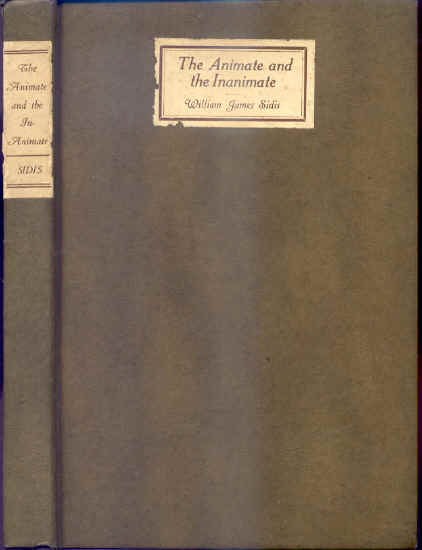
 THE
ANIMATE AND THE INANIMATE THE
ANIMATE AND THE INANIMATE
Sidis starts out noticing something
remarkable about the laws of physics: "Among
the physical laws it is a general characteristic that there is
reversibility in time; that is, should the whole universe trace back the
various positions that bodies in it have passed through in a given
interval of time, but in the reverse order to that in which these
positions actually occurred, then the universe, in this imaginary case,
would still obey the same laws." Astronomers
are beginning to find the dark galaxies Sidis predicted must exist. Next
they will discover the dark stars therein.
 THE
TRIBES AND THE STATES 100,000-Year
History of North America
THE
TRIBES AND THE STATES 100,000-Year
History of North America
"The
weaving of wampum belts was a sort of writing by means of belts of colored
beads, in which the various designs of beads denoted different ideas
according to a definitely accepted system, which could be read by anyone
acquainted with wampum
language, irrespective of what the spoken language was. Records and
treaties were kept in this manner, and individuals could write letters to
one another in this way."
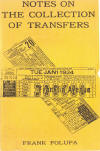 NOTES
ON THE COLLECTION OF TRANSFERS NOTES
ON THE COLLECTION OF TRANSFERS
"This book is a description of what is, so far as
the Author is aware, a new kind of hobby, but one which seems on the face
of it to be as reasonable, as interesting, and as instructive, as any
other sort of collection fad. This is the collection of street-car
transfers and allied forms. The Author himself has already collected over
sixteen hundred such forms, there being no duplicates included among that
number; and he has found the process of collection, and the things
observed during the process, both interesting and entertaining. He
believes that others could get the same interest in such collection, even
though it were made on a more limited scale." The
media industry, believing that this was his only book, proclaimed it
evidence that Sidis had "burned out."
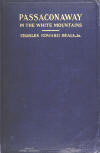 PASSACONAWAY
IN THE WHITE MOUNTAINS "The
young man who wrote this book commenced his explorations of Passaconaway-land
when four years old, at which mature age he climbed to the "turn of the
slide" on Mount Passaconaway. With him it was a case of "love at first
sight." He cannot remember when he did not love the White Mountains. And
with each succeeding year, that feeling has deepened. How the world looks
from a Beal-loved little mountain nest―"Score-o'-Peaks"―the youngster will
tell. If, by his chapters, he shall succeed in imparting to some weary
soul a tithe of the pleasure which has been experienced by one family
during nearly a score of summers, I shall think that it was indeed a happy
inspiration which led me to suggest to the lad that he record the things
herein set down." PASSACONAWAY
IN THE WHITE MOUNTAINS "The
young man who wrote this book commenced his explorations of Passaconaway-land
when four years old, at which mature age he climbed to the "turn of the
slide" on Mount Passaconaway. With him it was a case of "love at first
sight." He cannot remember when he did not love the White Mountains. And
with each succeeding year, that feeling has deepened. How the world looks
from a Beal-loved little mountain nest―"Score-o'-Peaks"―the youngster will
tell. If, by his chapters, he shall succeed in imparting to some weary
soul a tithe of the pleasure which has been experienced by one family
during nearly a score of summers, I shall think that it was indeed a happy
inspiration which led me to suggest to the lad that he record the things
herein set down."
Books
Not Yet Found
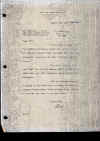 Re
Atlantis Manuscript
Lawyer's letter indicating
publisher interest. Re
Atlantis Manuscript
Lawyer's letter indicating
publisher interest.
"I
received a reply from the McClure Newspaper Syndicate. They are evidently
interested in your 'Atlantis Manuscript'. They also mention the fact that
the selling season starts right after Labor Day, and that therefore quick
attention is advisable."
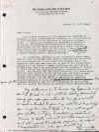 Re
Two More Manuscripts Re
Two More Manuscripts
Dr.
Sperling's letter to Helena Sidis refers to a manuscript on philology, and
another on anthropology, which he showed to a publisher. Sperling wrote: "Mr.
McDowell's comments on the manuscripts were these. Both of them he thought
were rather scholarly and thus would not lend themselves to publication
for popular sale. He suggested that you have some one or more of the
outstanding scholars in the the fields of philology and anthropology
respectively read both manuscripts for the purpose of passing on their
merits and suggesting possible agencies for publication. His feeling was
that most commercial publishers would have the same reaction as he had and
that you would do best through some educational agency or publication
through a scholarly grant."
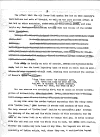 The
Peace Path [Fragment]
Sidis wrote in a letter: "I
am now writing
something that I am entitling The Peace Path, on the old courier system
and the many ramifications of its consequences in modern life. It seems to
be rapidly
developing toward book length, and it seems to have interested the few
people who have had a chance to read as much of the manuscript as I have
gotten ready so far."―1943. The
Peace Path [Fragment]
Sidis wrote in a letter: "I
am now writing
something that I am entitling The Peace Path, on the old courier system
and the many ramifications of its consequences in modern life. It seems to
be rapidly
developing toward book length, and it seems to have interested the few
people who have had a chance to read as much of the manuscript as I have
gotten ready so far."―1943.
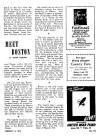 Re
guide books to the local transportation systems of Boston and the
District of Columbia. "Several
volumes, including two for the Boston area and one
for the District of Columbia, are now ready to go to the printer, and
several more are almost ready." "We
know of an unpublished guide book that has complete local
transit and street-number information, as well as adequate maps; but it is
no good to visitors as long as it remains unpublished." ... "According to
an unpublished Boston guide-book .... " Re
guide books to the local transportation systems of Boston and the
District of Columbia. "Several
volumes, including two for the Boston area and one
for the District of Columbia, are now ready to go to the printer, and
several more are almost ready." "We
know of an unpublished guide book that has complete local
transit and street-number information, as well as adequate maps; but it is
no good to visitors as long as it remains unpublished." ... "According to
an unpublished Boston guide-book .... "
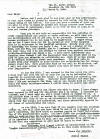 The
Libertarian (1943) "I
am sending you the latest, and last, issue of The Libertarian." The
Libertarian (1943) "I
am sending you the latest, and last, issue of The Libertarian."
Invention of
Simplified Perpetual Calendar
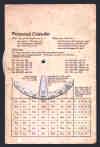 U.S.
Patents 1,718,314 and 1,784,117 U.S.
Patents 1,718,314 and 1,784,117
"The invention relates to perpetual calendars in
which week-days can be found directly for any given date whatever; and its
object is, first, to provide a means by which
all such week-days can be looked up in a direct, simple and easily
understandable manner; secondly, to avoid the cross-reference tables or complex
mechanism, one or the other of which have hitherto generally been features
of perpetual calendars providing means to look up the week-day of any
given date whatever."
Patents Photo Print
Your Own
Articles
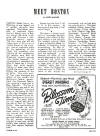 Meet
Boston 89
weekly columns presenting interesting facts about Boston and American
history: "It
is not pure history, nor memory, nor pure fiction, but rather a mixture of
all three; not dry research, but affection that puts life-blood into the
material."—W.
J. Sidis Meet
Boston 89
weekly columns presenting interesting facts about Boston and American
history: "It
is not pure history, nor memory, nor pure fiction, but rather a mixture of
all three; not dry research, but affection that puts life-blood into the
material."—W.
J. Sidis
 The Concept
of "Rights" The Concept
of "Rights"
 The
Extent of Rights The
Extent of Rights
 Unconscious
Intelligence Unconscious
Intelligence
Argument against Freudian
theory of the Unconscious.
 Lessons
on Social Continuity ...
Sidis's
theory of history. Lessons
on Social Continuity ...
Sidis's
theory of history.
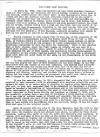 The
Modern Gray Champion The
Modern Gray Champion
Mysterious figure in American
history, first described by Nathaniel Hawthorne. Sidis makes a quite
mysterious and uncharacteristic statement: "
... he made his final
disappearance, leaving this earth on July 25, 1938."
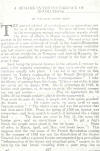 A
Remark on the Occurrence of Revolutions A
Remark on the Occurrence of Revolutions
Notes correlation of
sunspot cycles and political revolutions.
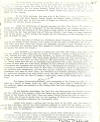 Jersey
City Its
role in American history. Jersey
City Its
role in American history.
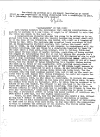 "Railroading"
in the Past (ca.1940) "Railroading"
in the Past (ca.1940)
His
own account
of having been "kidnapped by his parents, by
arrangement with the
district attorney," as
a result of guilty verdict for participation in an anti-draft demonstration
in 1919.
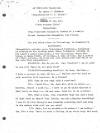 Translation
of Chekhov's "An
Unwilling Tragedian"
Translation
of Chekhov's "An
Unwilling Tragedian"
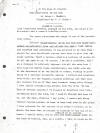 Translation
of Chekhov's
"On the Harm of Tobacco" Translation
of Chekhov's
"On the Harm of Tobacco"
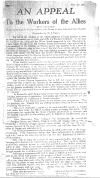 Translation
of "An
Appeal to the Workers of the Allies" by G. Chicherin (ca.
1919) Translation
of "An
Appeal to the Workers of the Allies" by G. Chicherin (ca.
1919)
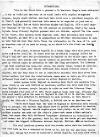 Grammar
o th'American Lingo Grammar
o th'American Lingo
"This is the first time a
grammar o th'American lingo's been attempted in a way as would put
American on an equal basis with regular recognized lingoes."
Periodicals
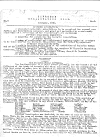 The
Peridromophile [No
copies found yet.] The
Peridromophile [No
copies found yet.]
"The Peridromophile
is a paper issued primarily for the benefit of the followers of the hobby
of transfer and token collection, and who consequently, from that point of
view, have an interest in matters relating to local transit all over
America. This paper was taken over by Geprodis System on October 16 last,
the paper itself having been operated since September, 1926. Its
connection with Geprodis System was further strengthened by the fact that
the Geprodis Perpetual Calendar, the first unit to be taken over by the
Geprodis System, was a development of a "condensed calendar" which
appeared in The Peridromophile for January, 1927."--Geprodis
Organisation News, Feb., 1930
Geprodis
Organisation News
"...a new type of
organization ... a non-profit membership corporation ... a federation of its
employees." (1930)
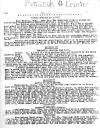 Penacook
Courier Penacook
Courier
"Courier's own version of American history as though
it was a current event."
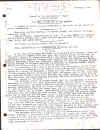 Continuity
News "THE
PAST IS THE KEY TO THE PRESENT." Continuity
News "THE
PAST IS THE KEY TO THE PRESENT."
"A libertarian government is essentially a limited government
limited by individual rights; the definition not only does not imply
majority rule, butdefinitely implies that all rule, whether majority or
minority, is strictly limited to the field of preventing transgressions on
the rights of any individuals whatever."
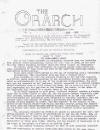 The
Orarch
The
Orarch
"Get used to thinking in terms of Orarchy, not
Democracy. 'Orarchy' means limited government―limited in powers and
jurisdiction."
The
Libertarian (1943) "I
am sending you the latest, and last, issue of The Libertarian."
Pamphlets

"Unfortunately, too many Americans consider the
search for liberty as at an end, as if it had been secured and made safe
for all time by the founding fathers. To the contrary, the struggle for
liberty is one requiring eternal vigilance and today is perhaps more in
danger than at any other period in our history." Compilation
of little known American history in the form of poetry by John Greenleaf
Whittier, Thomas Paine, John Boyle O'Reilly, Oliver Wendell Holmes,
Stephen Foster, Lydia Sigourney, and Sidis himself.
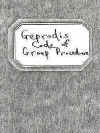 GEPRODIS GEPRODIS
" ... a new type of organization ... a non-profit
membership corporation ... a federation of its employees." (1930)
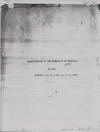 Hesperia
Constitution Hesperia
Constitution
Design for a utopia written at
a young age.
Conscientious
Objector Writings, 1939-1943
"absolutism, n. the
acceptance of or belief in absolute principles in political,
philosophical, ethical, or theological matters; absolutist n. & adj.
(Oxford Dictionary)."
Letters,
Documents, Misc.
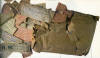 Materials
in Sagall Collection Materials
in Sagall Collection
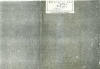 Astronomy
Exam Booklet, 1912 Astronomy
Exam Booklet, 1912
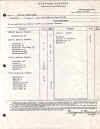 Harvard
College Transcript (1916) Harvard
College Transcript (1916)
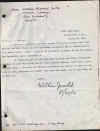 Selected
Correspondence Selected
Correspondence
 Inheritance Inheritance
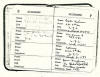 Helena
Sidis's Address book contains a number of Sidis's friends. Helena
Sidis's Address book contains a number of Sidis's friends.
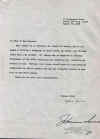 Letter,
08AUG1978, authorizing Dan Mahony to have access to all writings,
documents and materials related to W. J. Sidis, Boris Sidis, Sarah M.
Sidis, Helena Sidis. Letter,
08AUG1978, authorizing Dan Mahony to have access to all writings,
documents and materials related to W. J. Sidis, Boris Sidis, Sarah M.
Sidis, Helena Sidis.
Selected
Biographical Material
(Tap / Click to open, again to enlarge.)
FORTY-FIVE ITEMS IN THE NEW
YORK TIMES 1904
- 1944
re BORIS SIDIS, W. J. SIDIS
(Click / tap images to
open, again to enlarge.)
|
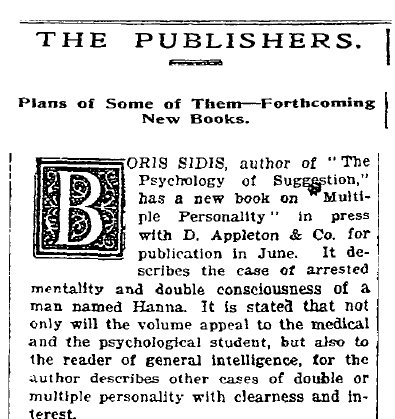
[Notice of
publication of Multiple Personality]
Sat., March 26, 1904 |
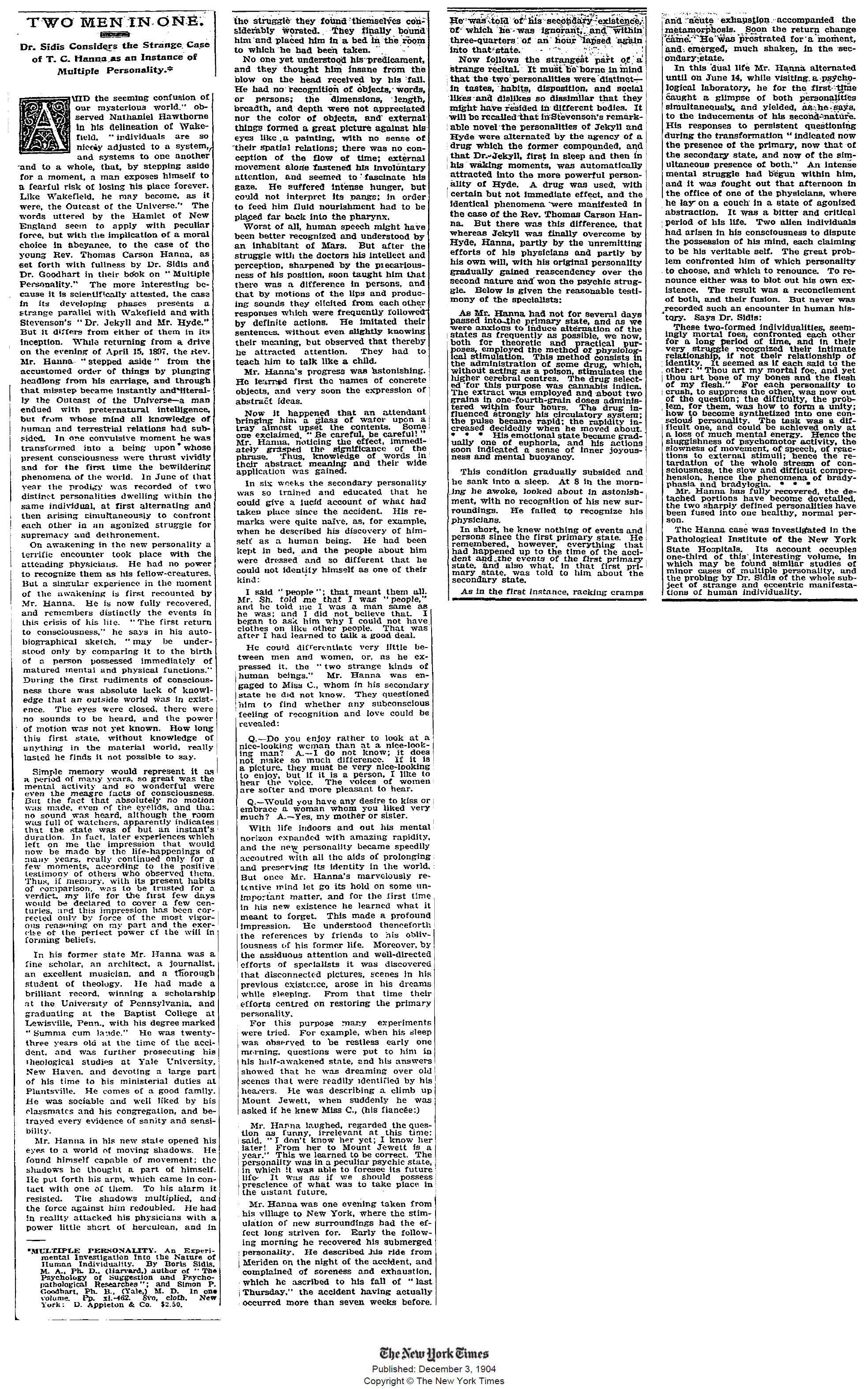
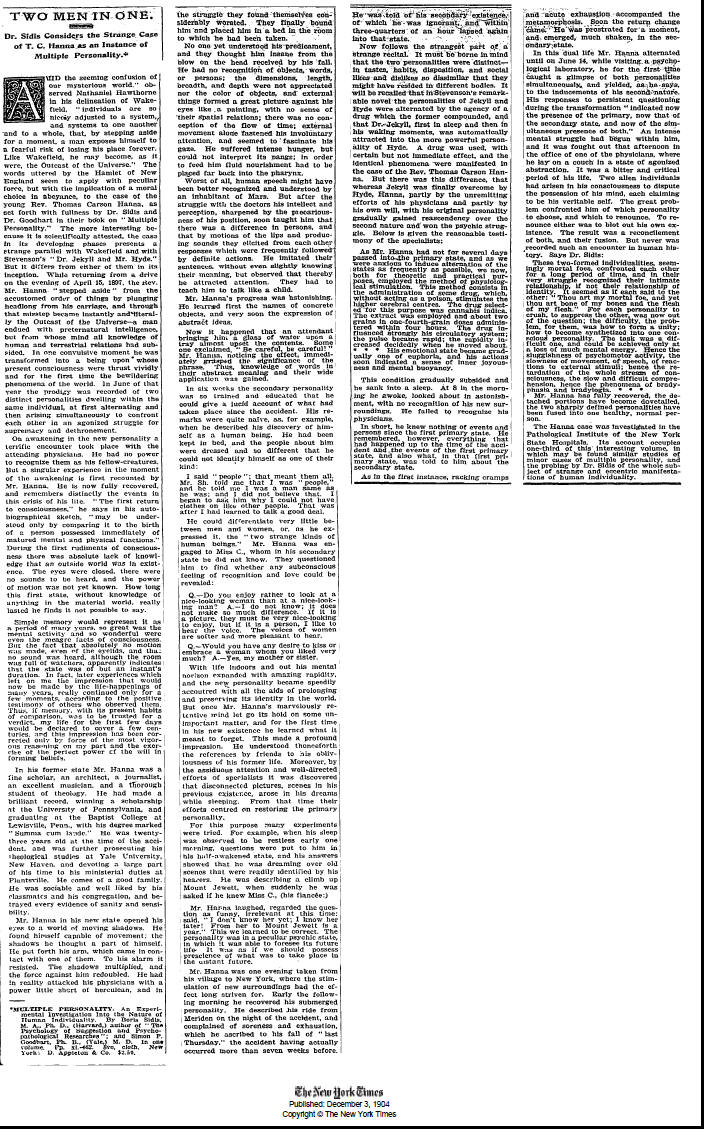
TWO MEN IN ONE
Dr. Sidis Considers the Strange
Case of T. C. Hannah as an Instance of Multiple Personality
Sat., December 3, 1904 |
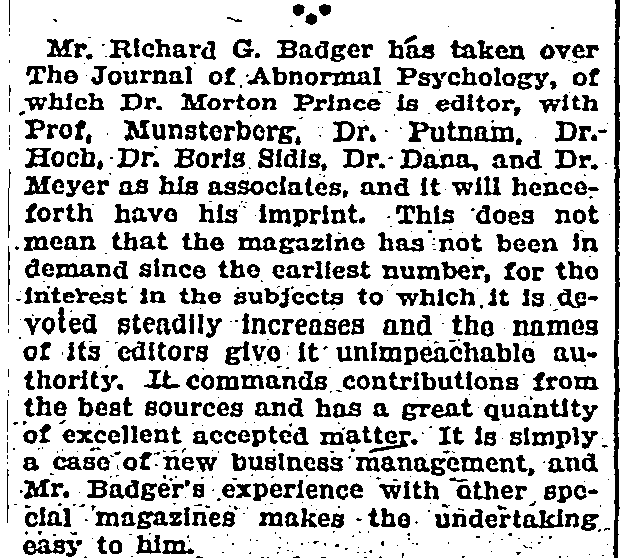
[Badger Takes Over Publication of The
Journal of Abnormal Psychology]

Sat., Feb.9, 1907 |
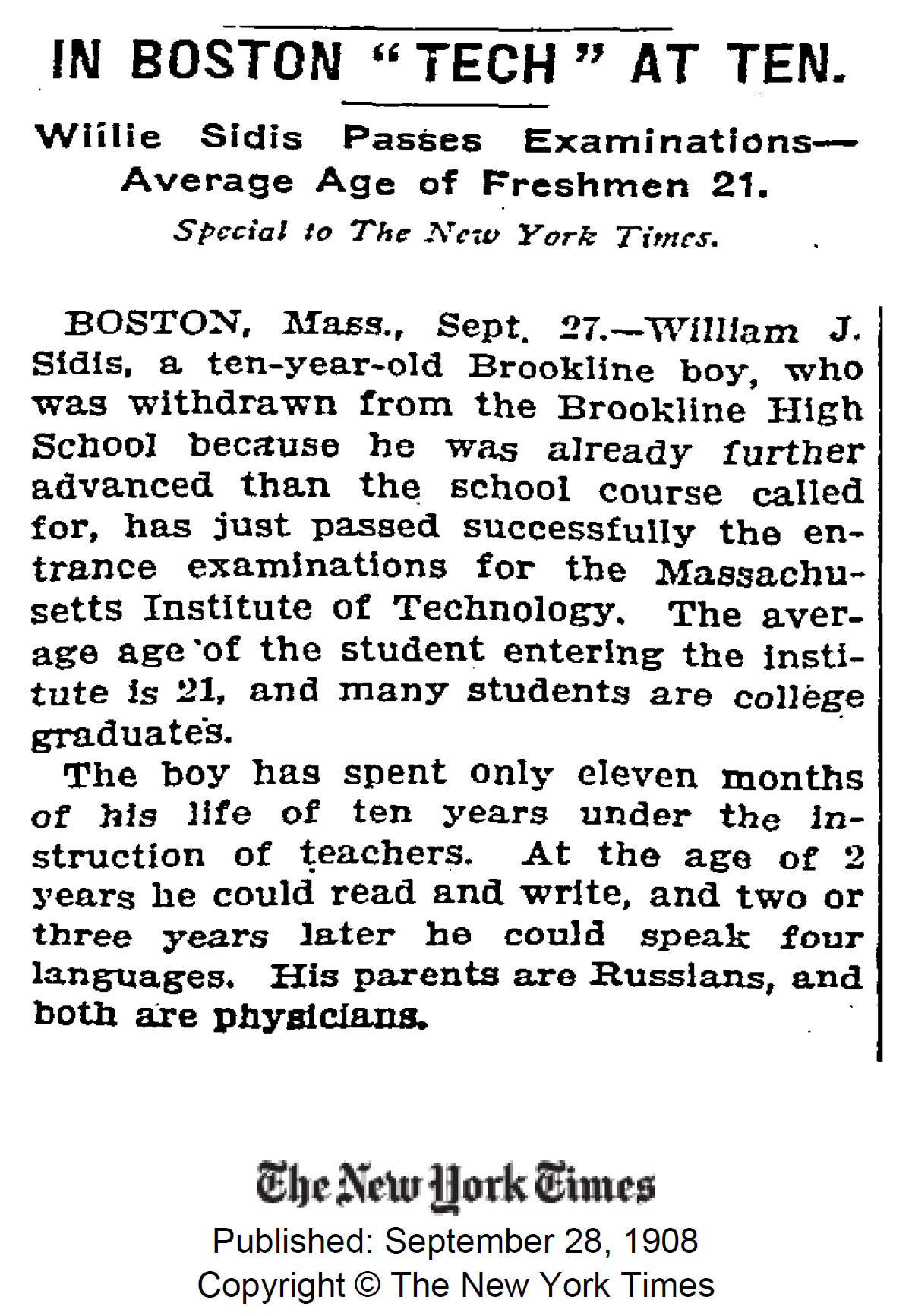
IN BOSTON "TECH" AT TEN
Willie Sidis Passes Examinations—Average
Age of Freshmen 21
Mon., Sept. 28, 1908 |
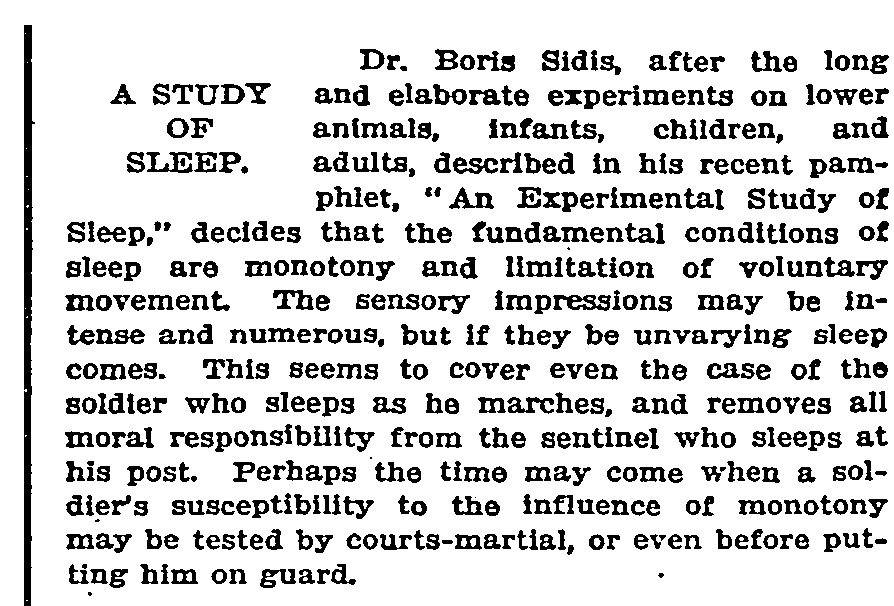
A STUDY OF SLEEP
Sat., May 1, 1909
|
HARVARD'S CHILD PRODIGY
All Amazed at Mathematical Grasp of
Youngest Matriculate, Aged 13 Years
Mon., Oct. 11, 1909
*
A Savant at Thirteen, Young Sidis Knows More on Entering Than Many on
Leaving.
A Scholar at Three
Sun., Oct. 17, 1909 |
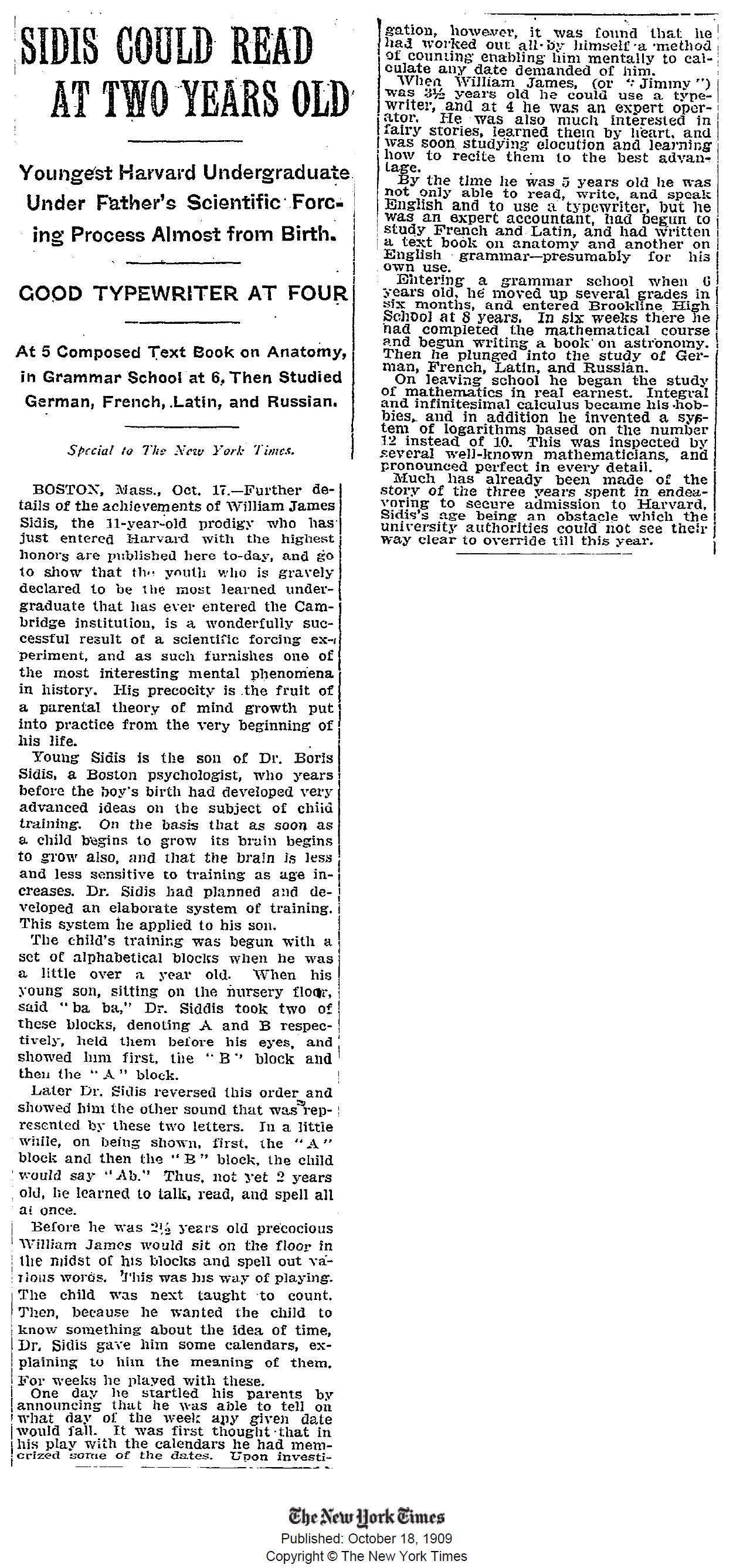
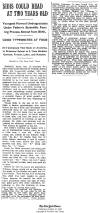
SIDIS COULD READ AT TWO YEARS OLD
Youngest Harvard Undergraduate Under
Father's Scientific Forcing Process Almost from Birth
GOOD TYPEWRITER AT FOUR
At 5 Composed Textbook on Anatomy, in
Grammar School at 6, Then Studied German, French, Latin, and Russian
Mon., Oct. 18, 1909 |
SIDIS OF HARVARD

Mon., Oct. 18, 1909 |
BOY OF TEN ADDRESSES HARVARD TEACHERS
Young
Sidis Kidnaps
the Fourth Dimension and "Revolutionizes Geometry"
PROPOUNDS NEW
THEORIES
After the Lecture the Learned Professors Crowd Round the Lad
for Further Elucidation

Thursday, Jan. 6, 1910 |
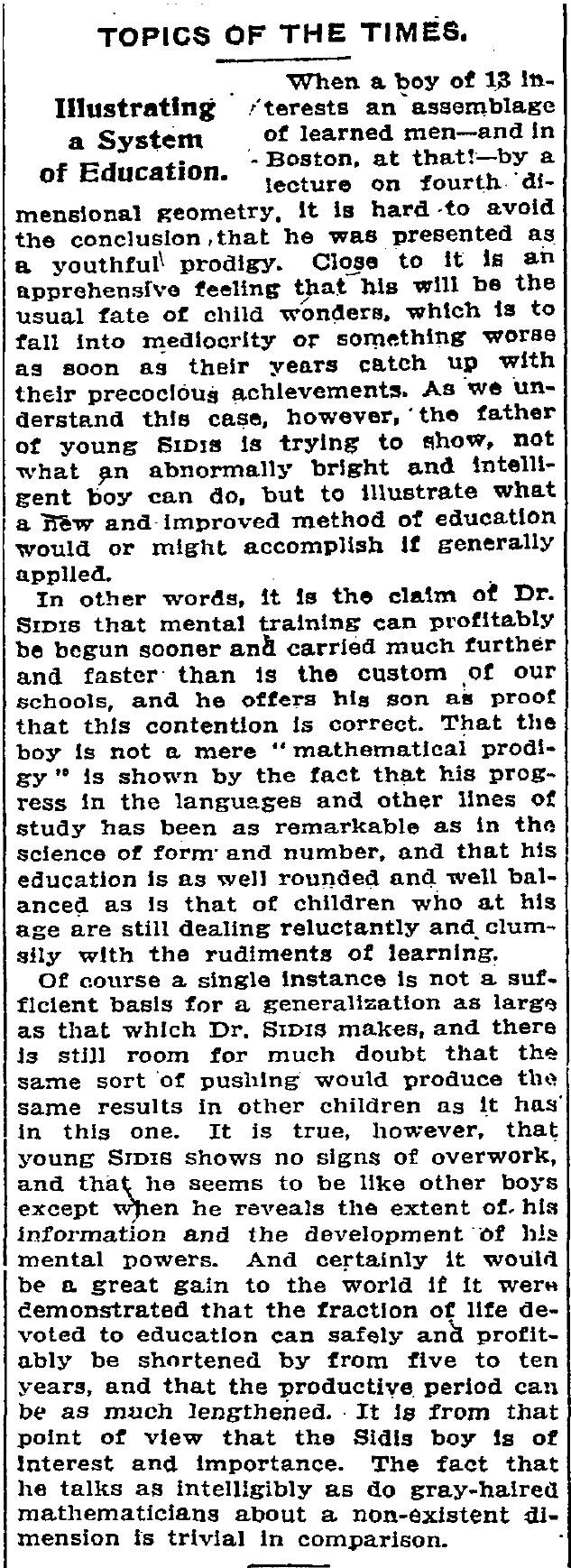
TOPICS OF THE TIMES
Illustrating a System of Education

Fri., Jan 7, 1910 |
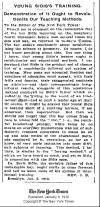
YOUNG SIDIS'S TRAINING
Demonstration of It Ought to Revolutionize
Our Teaching Methods
(To the Editor)
Sun., Jan. 9, 1910 |
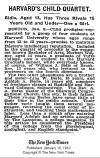
HARVARD'S CHILD QUARTET
Sidis, Aged 13, Has Three Rivals 15 Years Old and
Younger—One
A Girl
Mon., Jan. 10, 1910 |
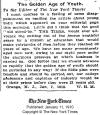
The Golden Age of Youth
(To the
Editor)
Tue., Jan. 11, 1910
*
SIDIS AN AVATAR?
(To the Editor)
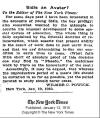
Wed., Jan. 12, 1910
|
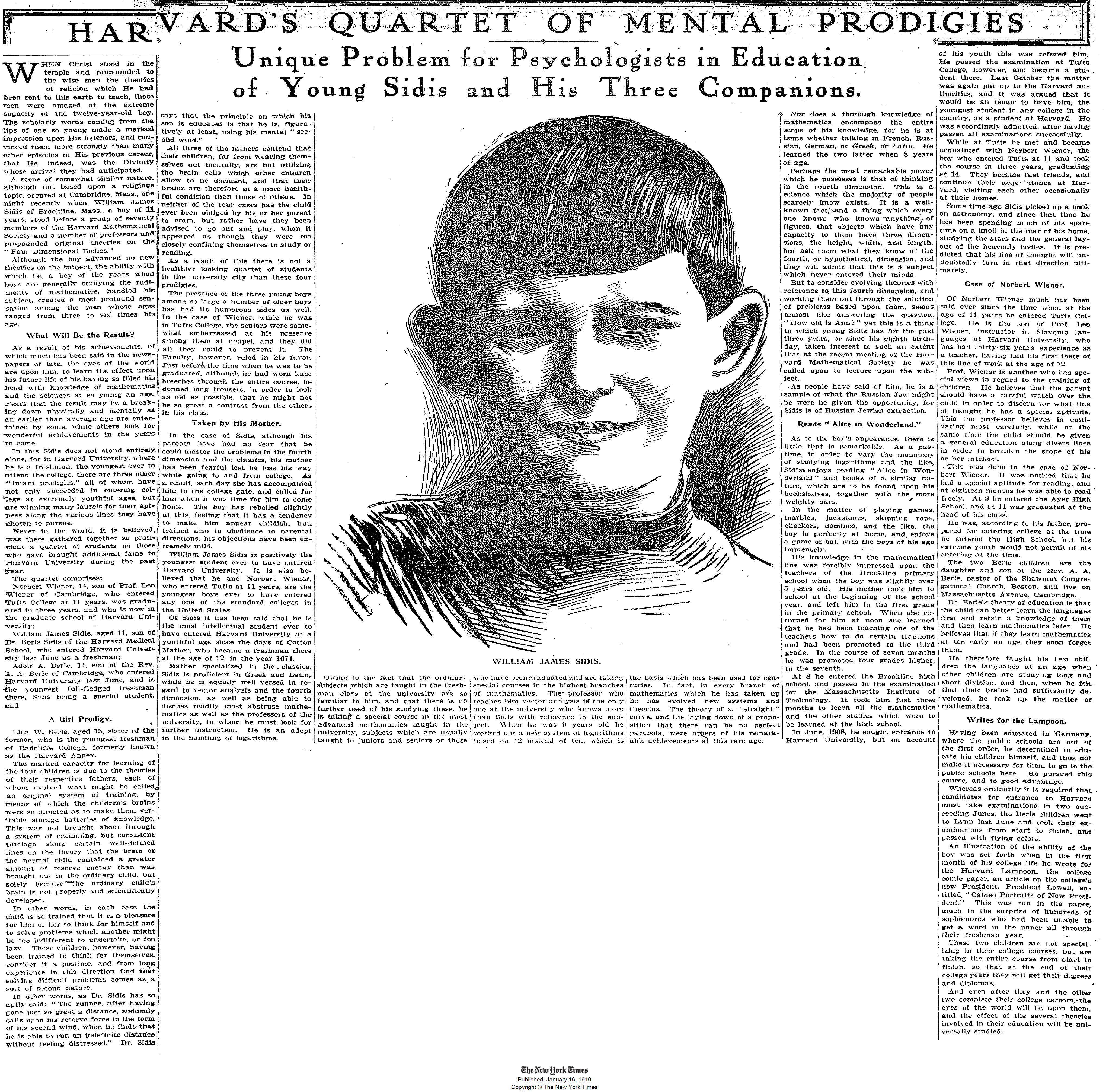
HARVARD'S QUARTET OF MENTAL PRODIGIES
Unique Problem for
Psychologists in Education of Young Sidis and His Three
Contemporaries
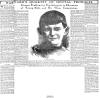
Sun., Jan., 16, 1910 |
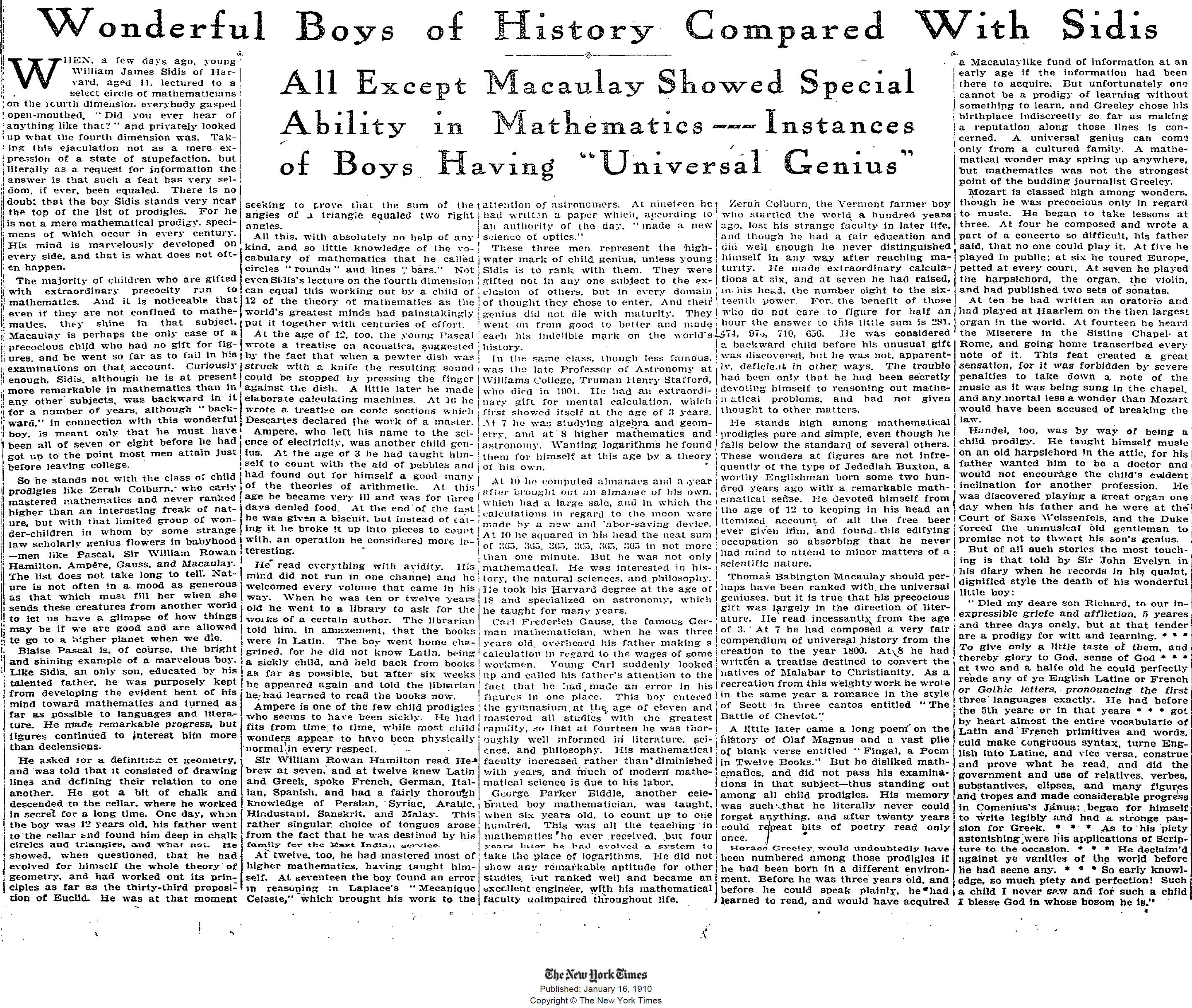
Wonderful Boys of History Compared with Sidis:
All Except Mcauley
Showed Special Ability in Mathematics---Instances of Boys Having
"Universal Genius"
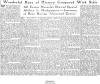
Sun., Jan. 16, 1910 |
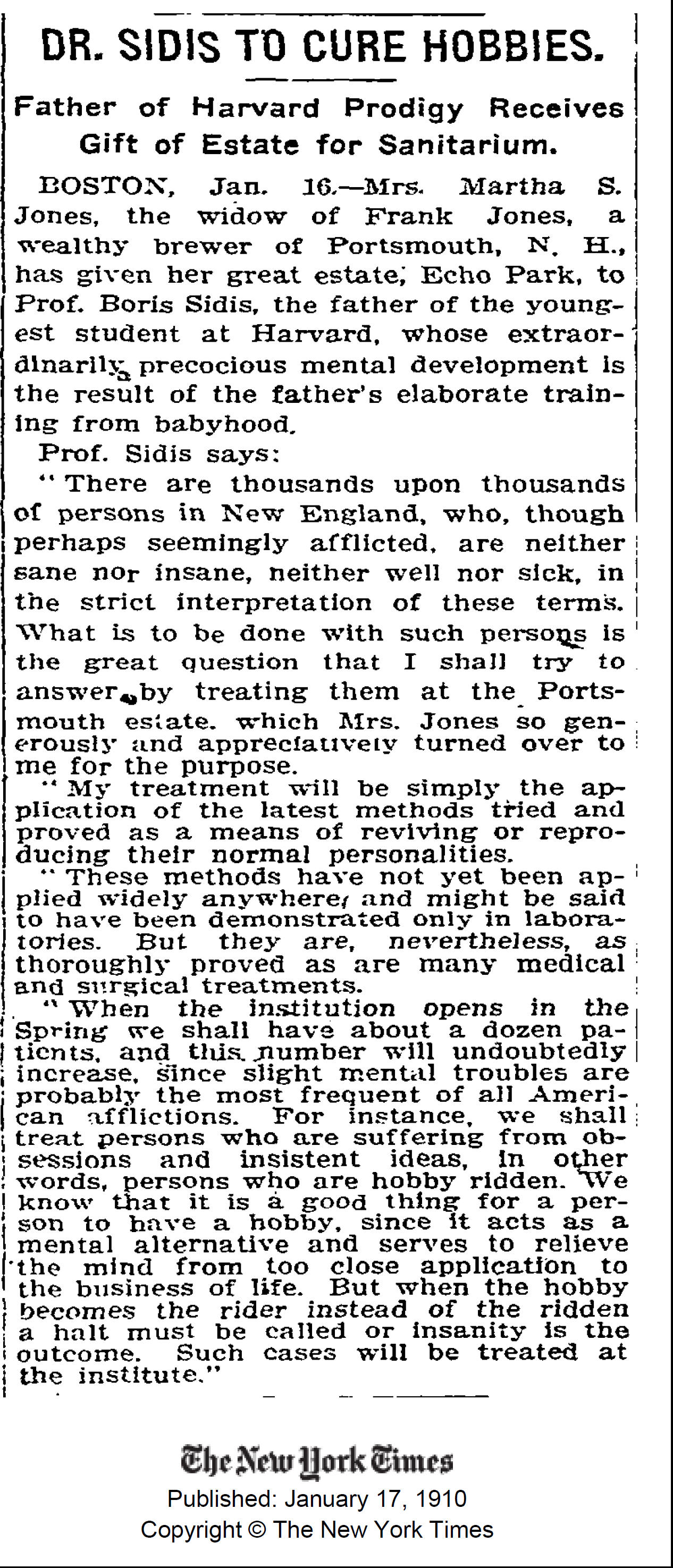
DR. SIDIS TO CURE HOBBIES
Receives Gift of Estate for Sanitarium
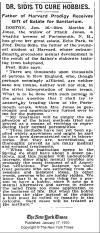
Mon., Jan. 17, 1910 |
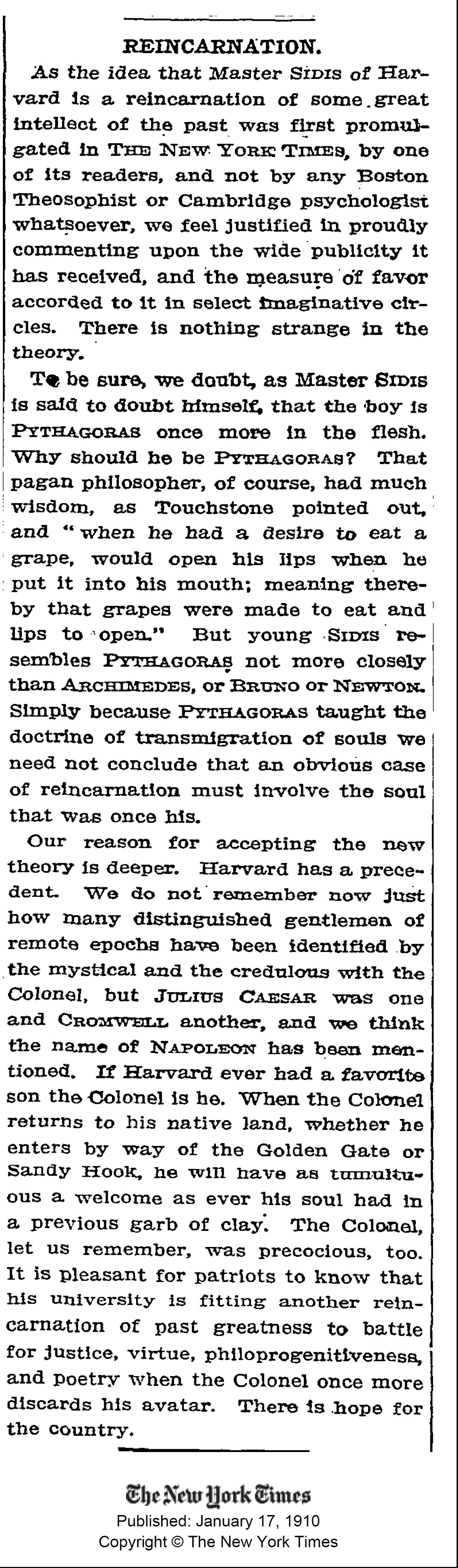
REINCARNATION
Mon., Jan.,17, 1910 |
THE FOURTH DIMENSION
It Is a Mathematical Pretension and Quite Profitless
Letter to the Editor
Sun., Jan. 23, 1910 |
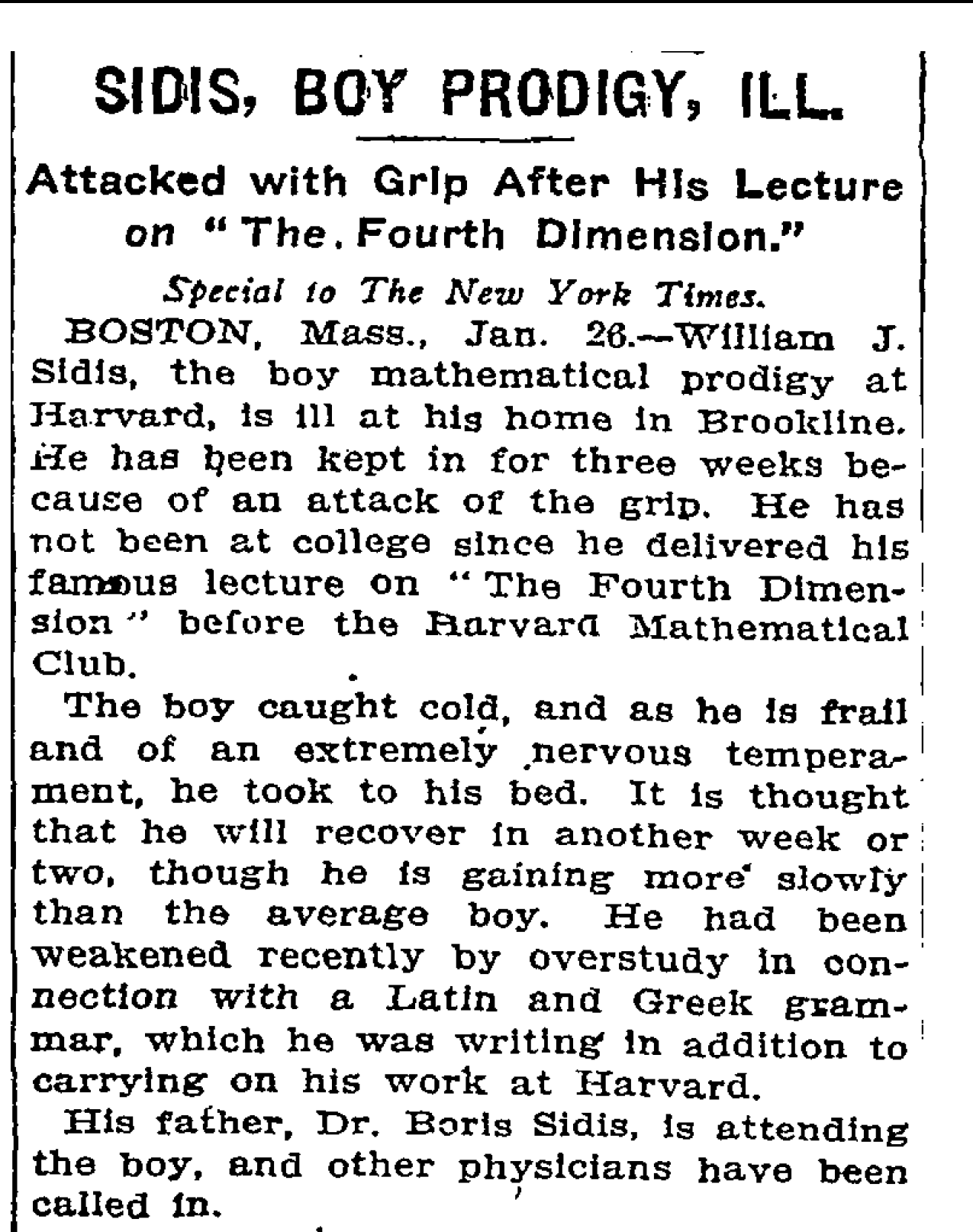
SIDIS, BOY PRODIGY, ILL
Attacked With Grip After His Lecture on "The
Fourth Dimension"
Thurs., Jan. 27, 1910 |
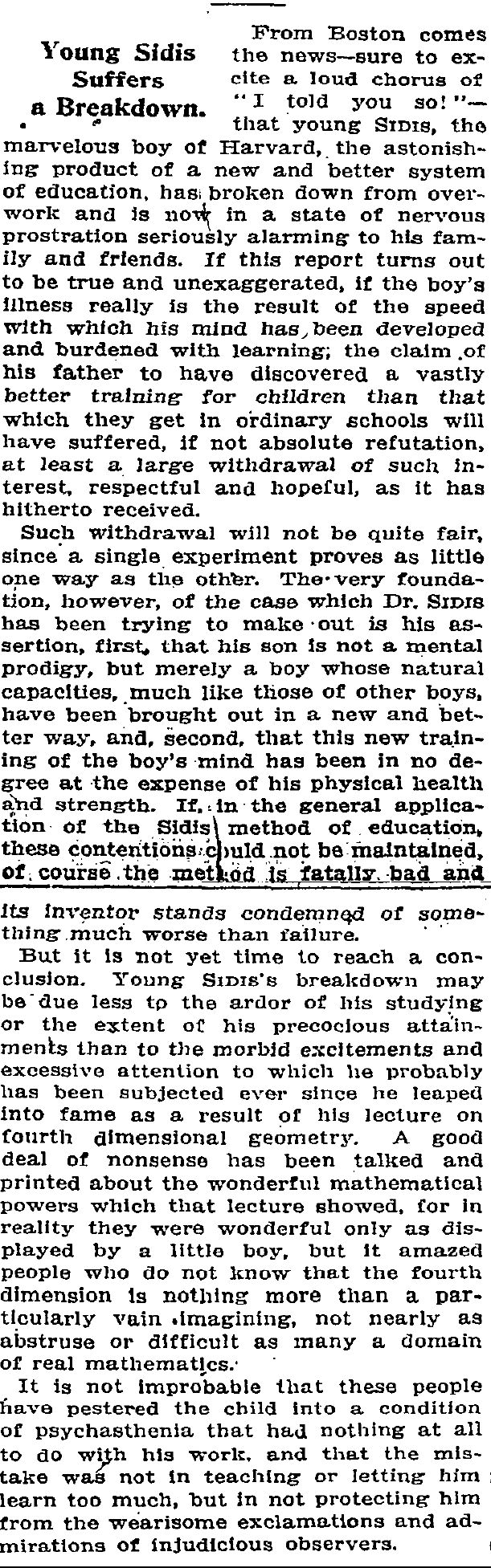
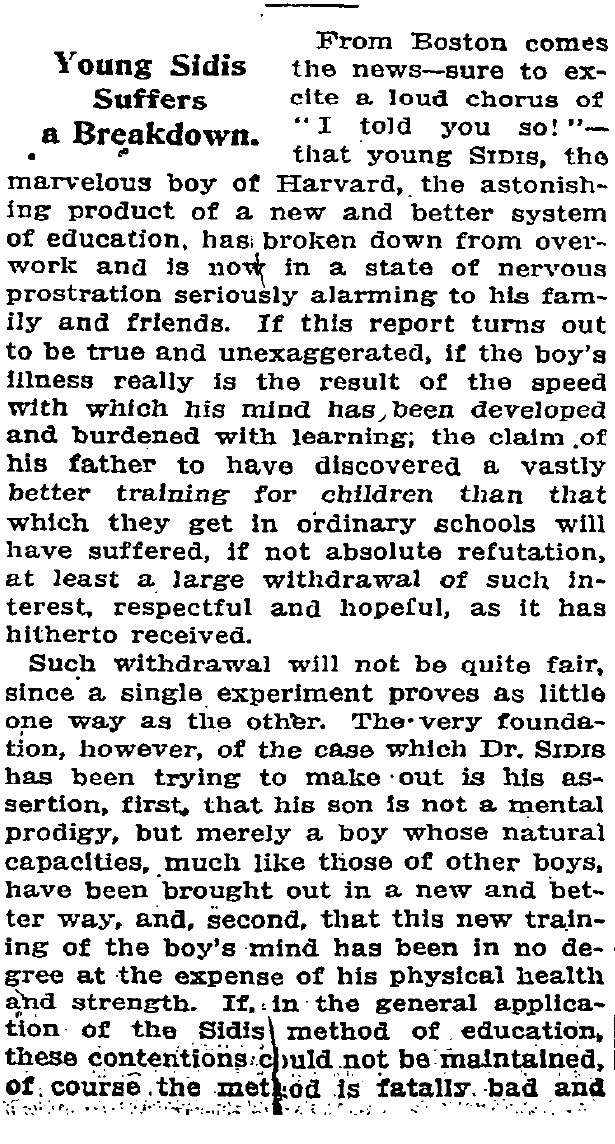
Young Sidis Suffers a Breakdown"
Thurs., Jan. 27, 1910 |
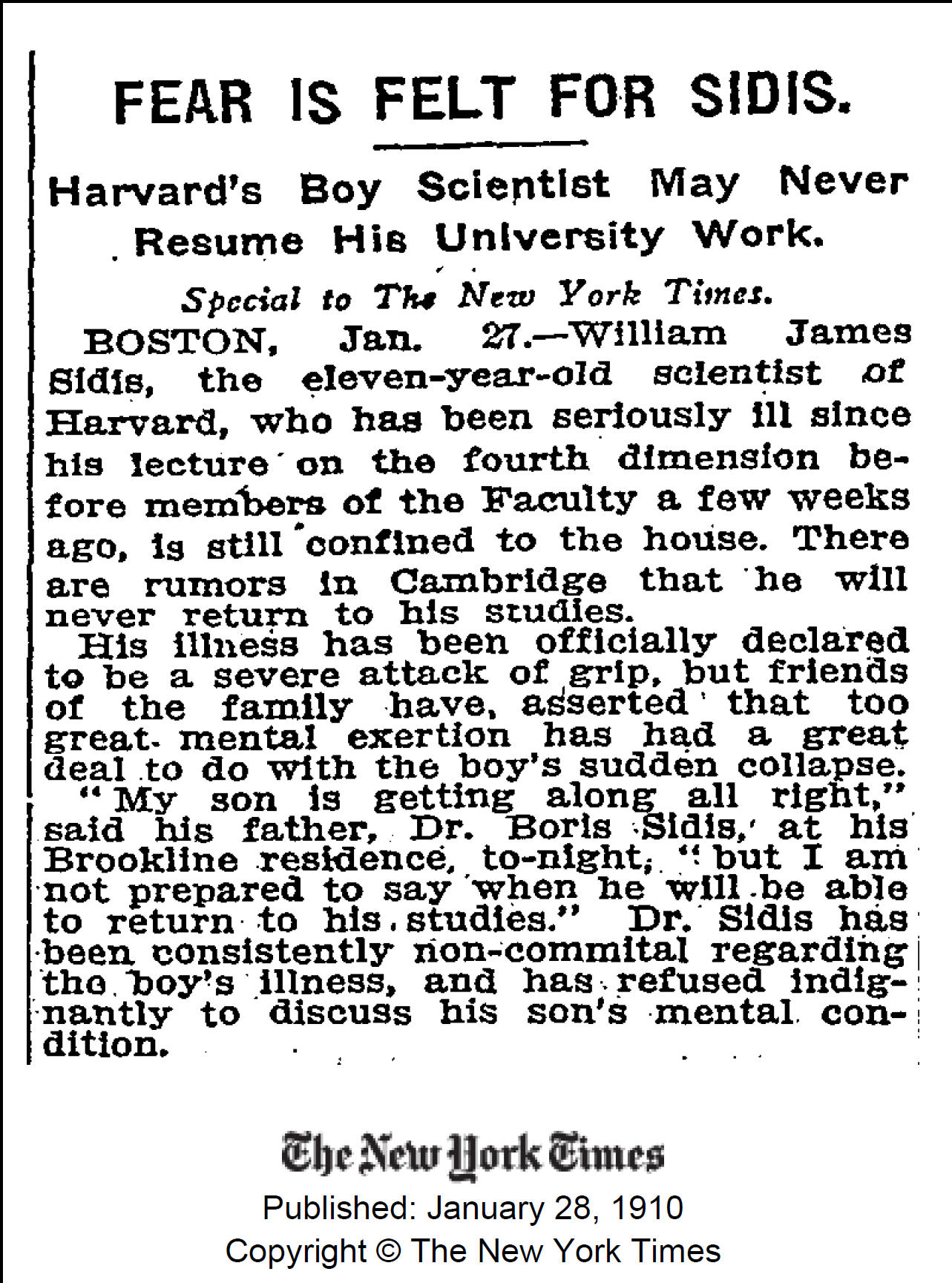
FEAR IS FELT FOR SIDIS
Harvard's Boy Scientist
May Never Resume his University Work
Fri., Jan. 28, 1910 |
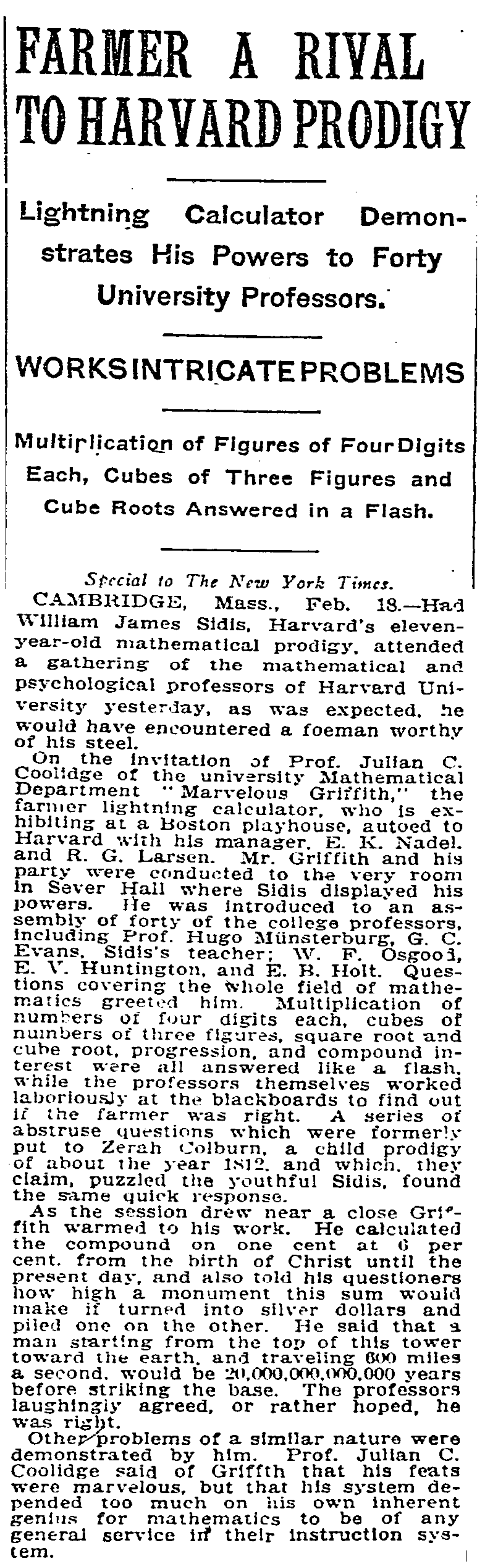
FARMER A RIVAL TO HARVARD PRODIGY
Lightning Calculator Demonstrates His
Powers to forty University Professors
WORKS INTRICATE PROBLEMS
Multiplication of Figures of Four Digits Each, Cubes of Three Figures,
Cube Roots in a Flash
Sat., Feb. 19, 1910 |
TOPICS OF THE WEEK
WILLIAM JAMES SIDIS
Sat., March 5, 1910
*
PROFESSOR LOWELL AND MASTER SIDIS
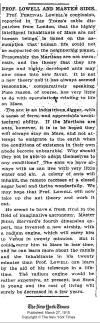
Sun., March 27, 1910 |
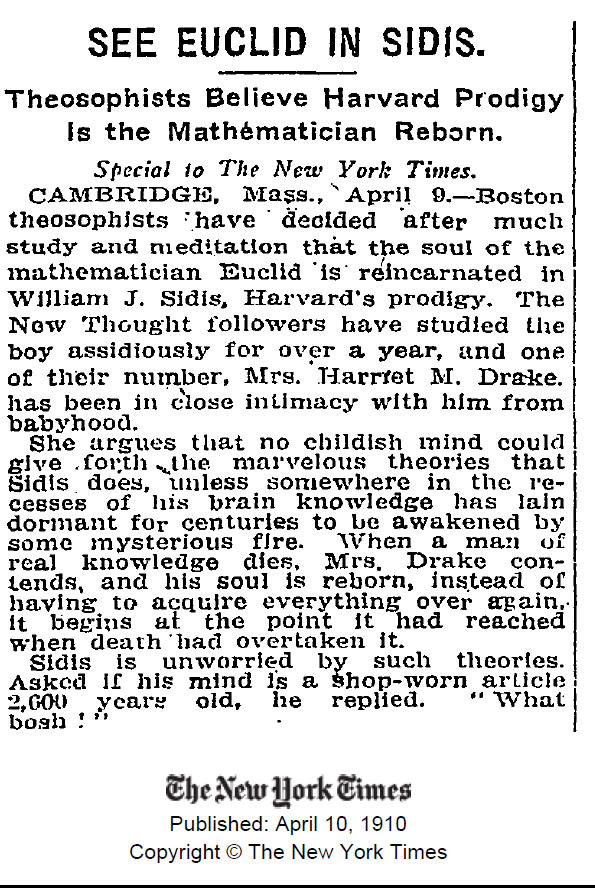
SEE EUCLID IN SIDIS
Theosophists Believe Harvard Prodigy is the Mathematician Reborn
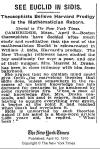
Sun., April 10, 1910 |
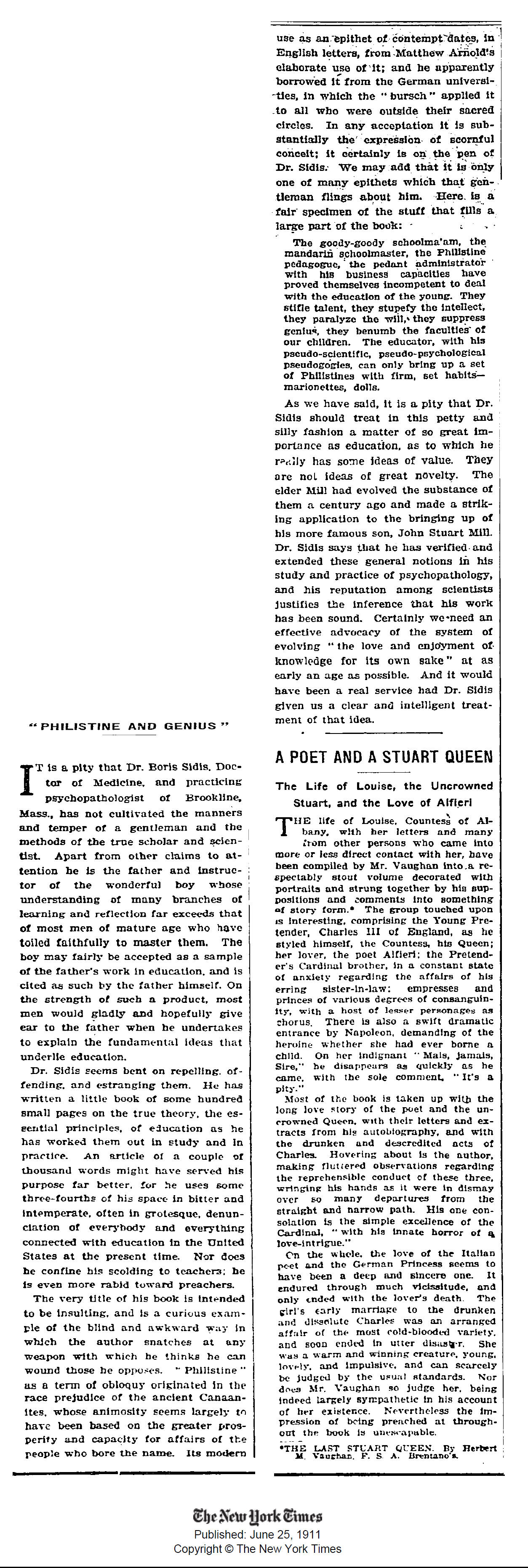
"PHILISTINE AND GENIUS"
Sun., June 25, 1911
*
DR. SIDIS IN AN UNKIND MOOD
His Vigorous
and Bitter Indictment of the American System of Popular Education
Sun., June 25, 1911
|
THE DORMANT WAKER
Case of Harvard Professor Who Needs No Sleep Explained

Tues., Feb. 18, 1913 |
WHAT IS LAUGHTER?
Dr. Boris Sidis Makes a Serious
Study of a Humorous Thing
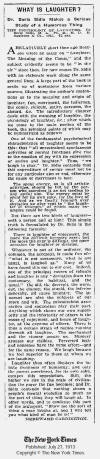
Sun., July 27, 1913 |
.gif) HARVARD
A. B. AT 16 HARVARD
A. B. AT 16
William James Sidis the Youngest Student to Get That Degree
There
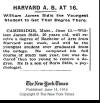
Sun., June 14, 1914, p1. |
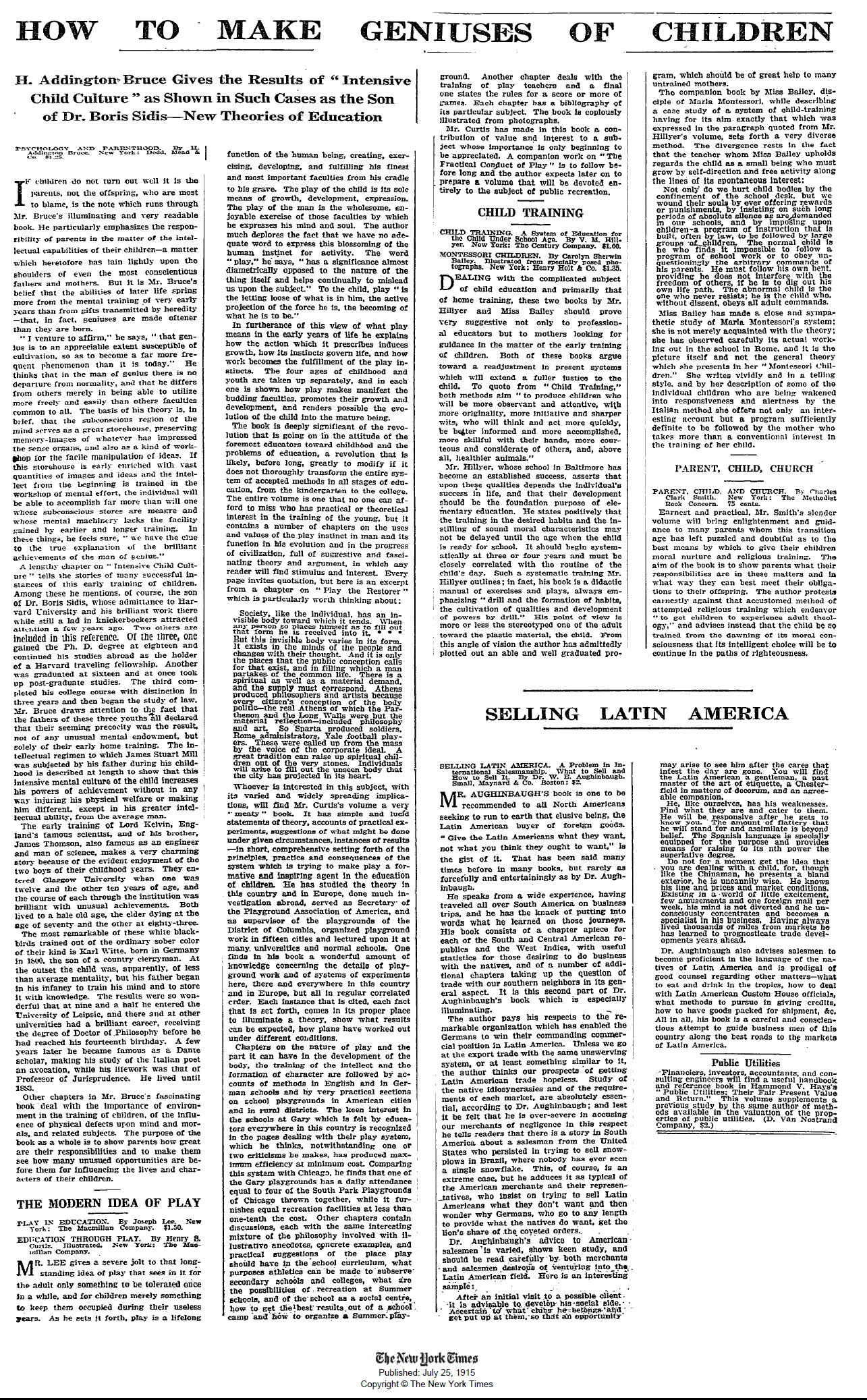
HOW TO MAKE GENIUSES OF CHILDREN
H. Addington
Bruce Gives the Results of "Intensive Child Culture" as Shown in Such
Cases as the Son of Dr. Boris Sidis—New
Theories of Education
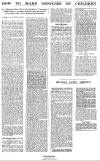
Sun., July 25, 1915 |
A NOVEL MYSTERY
Exciting and Well-Knit Crook Play Based on Abnormal Psychology
JANE
GREY SCORES HEAVILY
Cast and Production of Unusual Quality

Wed., Sept. 5, 1917 |
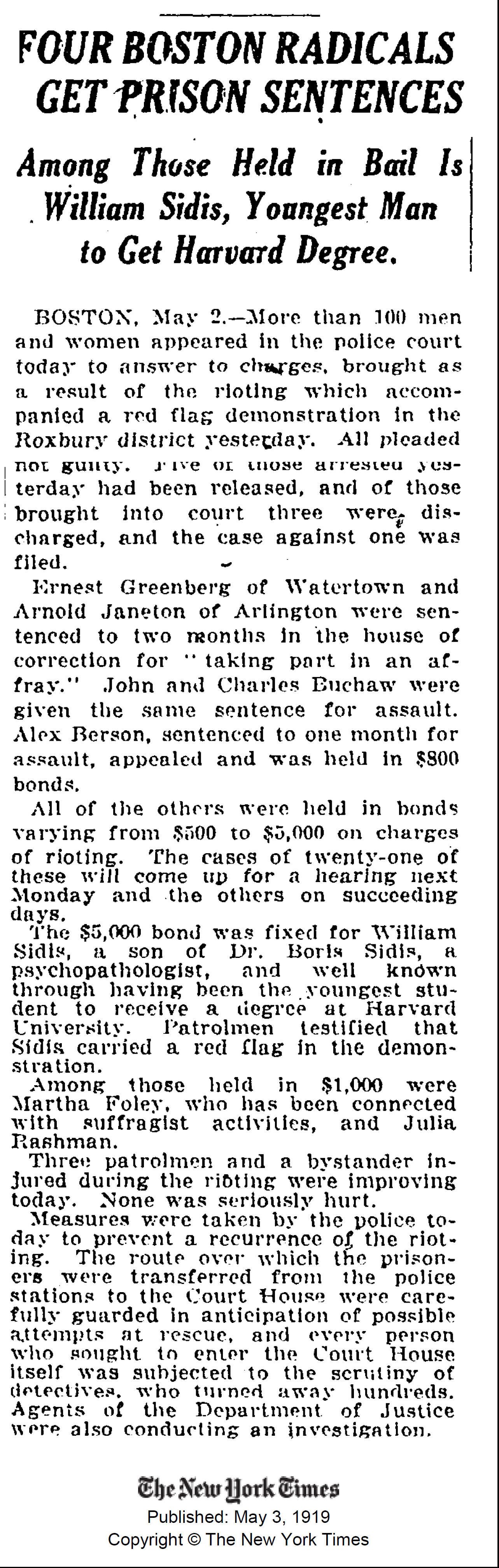
FOUR BOSTON RADICALS GET PRISON SENTENCES

Sat., May 3, 1919
*
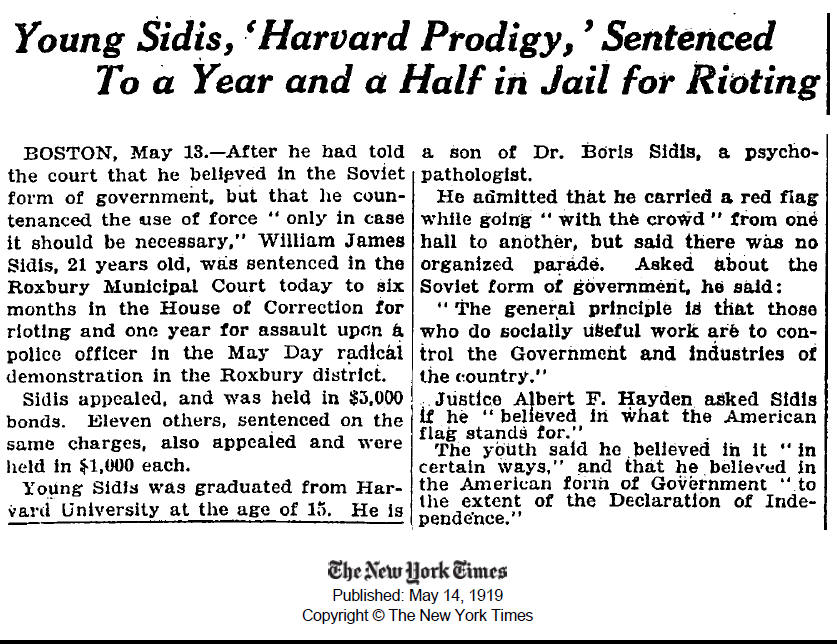
Young Sidis, 'Harvard Prodigy,' Sentenced to a Year and
a Half in Jail for Rioting
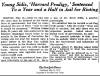
Wed., May 14, 1919
|
When Infant Prodigies Grow Up
Some of Them Who Did Are Confucius,
Caesar, Milton, Galileo, Beethoven and Voltaire
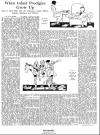
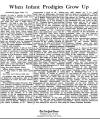
Sun., July 15, 1923
*
DR. BORIS SIDIS DIES
Internationally Known Expert in Psychology Was
56 Years Old
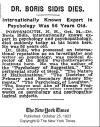
Thu., Oct. 25, 1923
|
TOPICS OF THE TIMES
PRECOCITY DOESN'T WEAR WELL
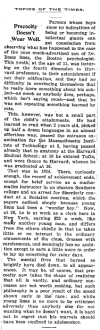
Fri., Jan 11, 1924
*
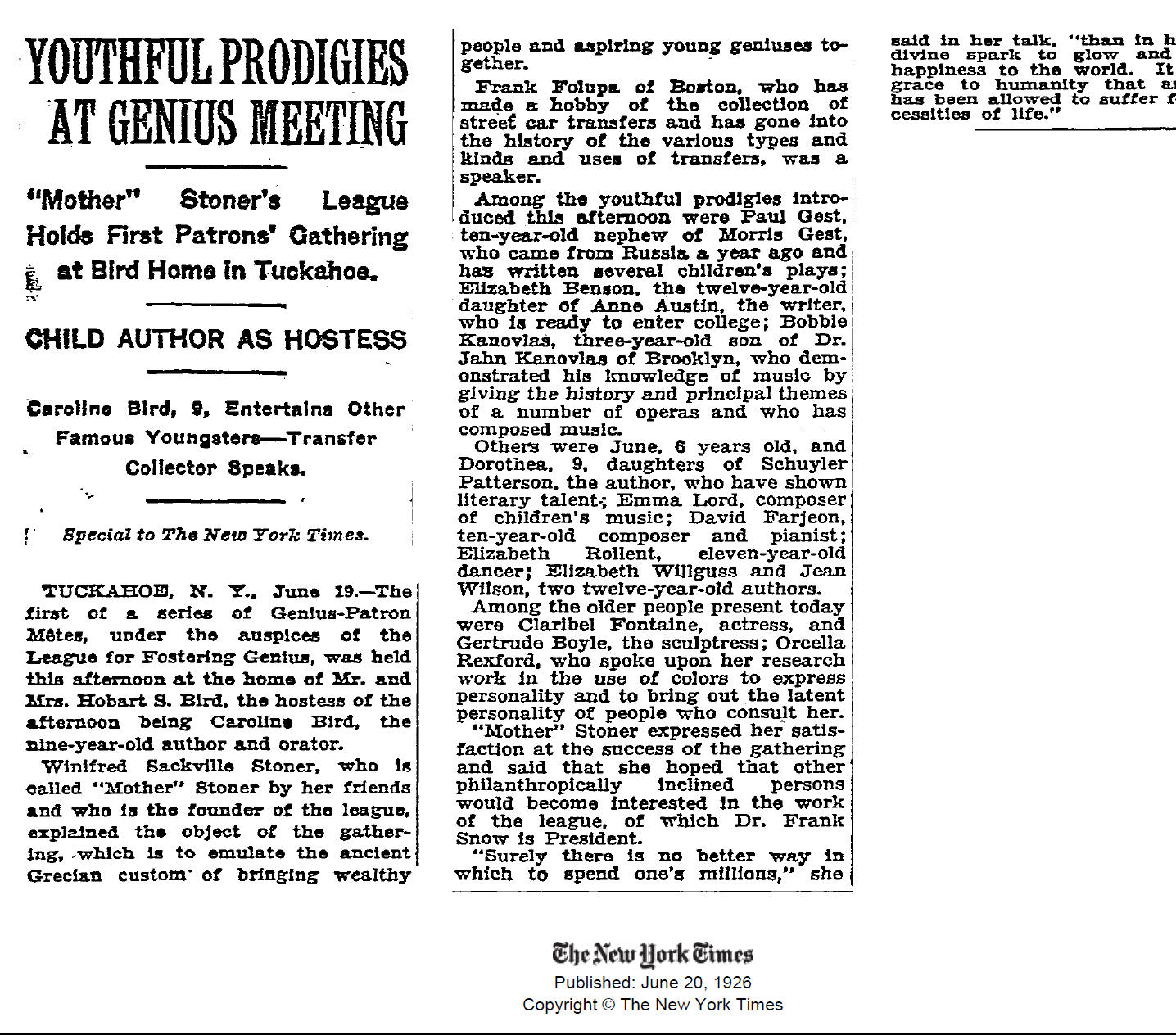
YOUTHFUL PRODIGIES AT GENIUS MEETING
Transfer Collector Speaks
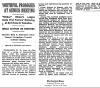
Sun., June 20, 1926, p8. |
SUPREME COURT REJECTS SIDIS SUIT
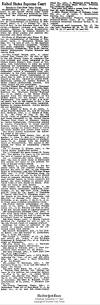
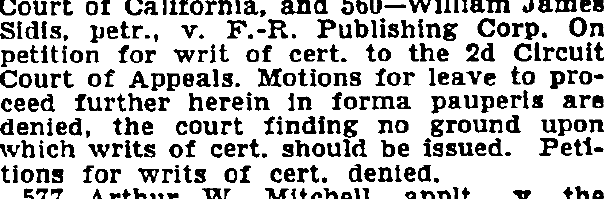
Tues., Dec. 17, 1940
*
NO PRIVACY FOR PRODIGY
High Court Refuses to Grant Seclusion Thirty
Years After
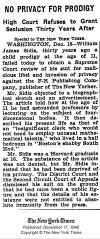
Tues., Dec. 17, 1940 |
SIDIS, A "WONDER" IN BOYHOOD, DIES
Graduate of Harvard at 16.
He Later Sought Jobs Requiring Little Training
RAN ADDING MACHINE HERE
Retiring to Boston He Taught in School Some
Called "Bolshevistic"
Tues., July 18, 1944 |
THE HIDDEN GENIUS
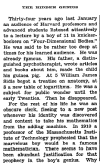
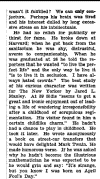
Wed., July 19, 1944 |
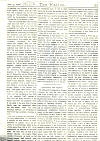 "Precocity
and Genius" The
Nation (1910) "Precocity
and Genius" The
Nation (1910)
"The idea that precocity—or at any rate precocity of
any such character as this—generally dies down into mediocrity has very
little foundation."—(Possibly
C. S. Peirce)
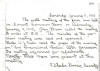 Minutes
of the Harvard Math Club, January 5, 1910 Minutes
of the Harvard Math Club, January 5, 1910
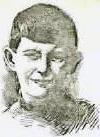 The
Boy Prodigy of Harvard (1910) The
Boy Prodigy of Harvard (1910)
Has Boris's description of WJ's
early education, and excerpts from WJ's talk to the Harvard Math Club
 Bending
the Twig (1910) Bending
the Twig (1910)
Written by a family friend. Quotes Boris Sidis, his
father, extensively on WJ's early education,
e.g., "My
boy plays―plays with his toys, and plays with his books. And that
is the key to the whole situation. Get the child so interested in study
that study will truly be play." "Dr. Sidis believed that, if properly
manipulated, the method of education through play might be extended to
subjects not taught in the kindergarten―that,
in fact, a child might be led to undertake and continue the study of any
subject provided it were made sufficiently interesting to him."
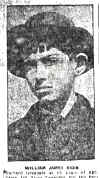 ""Sidis
Gets Year and Half in Jail" (1919) ""Sidis
Gets Year and Half in Jail" (1919)
This article contains some of his trial testimony re politics,
God, etc.
TOPICS OF THE
TIMES: PRECOCITY DOESN'T WEAR WELL
Fri., Jan 11, 1924
 "Where
are They Now?" The
New Yorker (1937)
"Where
are They Now?" The
New Yorker (1937)
The unkind and untruthful article that
led to a US Supreme Court decision cited even today in celebrity cases.
Oddly, it is here the wordOkamakammessets appears
in print for the first time.
 US
Appeals Court Decision re Sidis vs. The
New Yorker (1941) US
Appeals Court Decision re Sidis vs. The
New Yorker (1941)
"The intimate details of private life are not
entitled to an absolute immunity from the
prying of the press, and a limited scrutiny may be had of the private life
of any person
who has achieved, or has had thrust upon him, the questionable and
indefinable status of a 'public figure'."—Chief
Justice Brandeis
"Railroading' in the Past" by W. J. Sidis (ca.1940)
His own account
of having been "kidnapped
by his parents, by arrangement with the district attorney," as
a result of guilty verdict for participation in an anti-draft
demonstration in 1919.
 Lament
for William James Sidis, An American by
Mrs. Sharfman (1944). "I
shall see Sidis, with the light upon his face, the light of genius, that
made him more an angel than a man. If any man since Leonardo had universal
knowledge, it was he." Lament
for William James Sidis, An American by
Mrs. Sharfman (1944). "I
shall see Sidis, with the light upon his face, the light of genius, that
made him more an angel than a man. If any man since Leonardo had universal
knowledge, it was he."
 Shirley
Smith's Letter to the Editor (1944) Shirley
Smith's Letter to the Editor (1944)
"Sidis had plenty of
loyal friends. All of them found his ideas stimulating and his personality
likable."
 "William
James Sidis" by
Julius Eichel (1944) "William
James Sidis" by
Julius Eichel (1944)
"He spoke their language and could read their wampum
belts." "Sidis was a libertarian pacifist..."
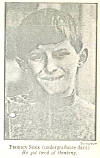 "Prodigious
Failure" TIME,
July 31, 1944 This
magazine actually titled an obituary of a person this way. We provide here
documented refutation the many errors in newspapers and magazines.―Dan
Mahony "Prodigious
Failure" TIME,
July 31, 1944 This
magazine actually titled an obituary of a person this way. We provide here
documented refutation the many errors in newspapers and magazines.―Dan
Mahony
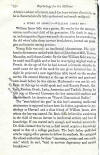 "A
Story of Genius—William James Sidis" by Abraham Sperling, Ph.D. "His
death in 1944 as an undistinguished figure was made the occasion for
reawakening the old wives tales about nervous breakdowns, burned out
prodigies and insanity among geniuses." The
first to tell the truth about Sidis. Dr. Sperling had seen Sidis's dozen
manuscripts. "A
Story of Genius—William James Sidis" by Abraham Sperling, Ph.D. "His
death in 1944 as an undistinguished figure was made the occasion for
reawakening the old wives tales about nervous breakdowns, burned out
prodigies and insanity among geniuses." The
first to tell the truth about Sidis. Dr. Sperling had seen Sidis's dozen
manuscripts..gif)
 The
Sidis Story by
Sarah Sidis, M.D. (1950) The
Sidis Story by
Sarah Sidis, M.D. (1950)
"He asked me a question one day, and then
triumphantly said, 'But you will say, 'Let's look it up! and I can look it
up myself!' That is the last lesson I gave Billy."
More family
biographies by
Dr. Sarah Sidis (1950's)
 Buckminster
Fuller letter re Sidis (1976) Buckminster
Fuller letter re Sidis (1976)
"Imagine my excitement and joy on being handed a
xerox of Sidis' 1925 book, in which he clearly predicts the black hole."
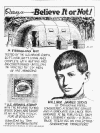 Ripley's Believe
It or Not! (1979,
1990) Ripley's Believe
It or Not! (1979,
1990)
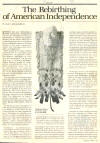 "The
Rebirthing of American Independence" by
Tracy Ann Robinson (1984) The
first magazine article to tell the truth about Sidis. "The
Rebirthing of American Independence" by
Tracy Ann Robinson (1984) The
first magazine article to tell the truth about Sidis.
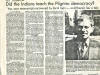 "Did
the Indians teach the Pilgrims Democracy?" byCathy
Spence (1984) The
first newspaper article to tell the truth about Sidis.
"Did
the Indians teach the Pilgrims Democracy?" byCathy
Spence (1984) The
first newspaper article to tell the truth about Sidis.
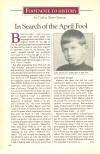 "In
Search of the April Fool" by
Cathy Spence (1987) "In
Search of the April Fool" by
Cathy Spence (1987)
The first national magazine article to tell the
truth about Sidis.
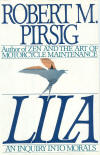 Robert Pirsig re Sidis (1991)
"American Indian mysticism is not something
alien from American culture. It's a deep submerged hidden root of it."
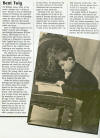 "Bent
Twig" in The
Mystifying Mind, Time
Life Books(1991)
"Bent
Twig" in The
Mystifying Mind, Time
Life Books(1991)
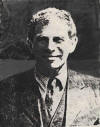 "Failure?"
by Dan Mahony (1999) "Failure?"
by Dan Mahony (1999) 
"Most research shows that
child prodigies go on to lead productive lives―as did Sidis."
Short Annotated Bibliography
of Animate and Inanimate Genders in
Basque and Algonquin Languages
"Sidis FAQ" by Dan Mahony (1999)
"Review of The Prodigy" by
Martha Brassil (2002)
supermemo.com re W. J. Sidis (2003)
 Peter
Vandermark: Portsmouth Photographs (2004) Peter
Vandermark: Portsmouth Photographs (2004)
 "Notes
on the Collection of Sidis's Pseudonyms" by
Dan Mahony (2004) "Notes
on the Collection of Sidis's Pseudonyms" by
Dan Mahony (2004)
See also:
quantonics.com for
additional Sidis material and comment.
"Sidis will be known to all school children of Earth's future,
given the efforts of a few on his behalf now."―Doug
Renselle
Jay Dillon: Rare Books +
Manuscripts

LEON HANSEN'S SIDIS COLLECTION
| The Psychology of
Suggestion | Psychopathological Researches | Multiple Personality | Psychotherapeutics |
An Experimental Study of Sleep | Philistine and Genius (1911) | Philistine and Genius
(1917) |
The Psychology of Laughter | The Foundations of Normal and Abnormal Psychology | Symptomatology Psychognosis
and Diagnosis of Psychopathic Diseases | The Causation and Treatment of
Psychopathic Diseases | The Source and Aim of Human Progress | Nervous Ills
W. J. SIDIS
| The Animate
and the Inanimate | Notes on the Collection of Transfers |
Volunteers
needed to translate The
Animate and the Inanimate into
Spanish and Mandarin.
Your
comment, questions, suggestions, or reports of typos are welcome. Email
dan at sidis dot net.
Links
for Students
Begins with history of the
early peoples of the Western Hemisphere, and progresses chronologically,
from a new point of view, through the founding of America.
Biography
Biographical Links
Annotated Bibliography
Eichel Collection
Journalistic Links
quantonics.com
Library of Congress Online
Catalog
|
Contributors to the
Sidis Project (1976-1999) in order of appearance: Dan Mahony (Founder),
Dr. Sara Zarem, Ella Maezel, Helena Sidis, Martin Dworkin, Maria
Taranto, Elliot Sagall, M.D., Grace Spinelli, Jim Bernstein, Issac 'Rab'
Rabinowitz, Anne H. Feinzig, Robin Lagemann, Chicotoneepa (Slow
Turtle), Wampanoag Cultural Center, Tom Reilly, Harold "Doc" Humes,
Larry Nobile, Robert Bearce, Andrew Bearce, Tom Mahony, Diana
Segara, Devin Mahony, Amy Wallace.
Contributors to sidis.net
(1999-present) in order of appearance:
Dan
Mahony, (Founder, Director, Digital Curation; Leon Hansen, Digital Curator.
Doug Renselle, Martha Brassil, Frankie Dintino, Jason
Stanfield, Nick Duvoisin, Max Patten, Michael Sechrist, Joshua
Freeman, Bob Luhrs, Nicole Copernicus, N. Lygeros, Ph.D., Mike Perry,
Bill Paton, Bobbi Jordan, Lane Branscombe, Ryan Messner, Alvie
Singer, Terry 25odd6, Valerie Orloff, Patrice Deloche, Robbie
Dawson, Georgia Triantafyllidi, Johan Källvide, Leon Hansen, Robert
Underwood, Peter Vandermark, Jay Dillon, Stuart Kut, Michael J. P.
Cunneen, Adam Gibgot, Dylan Knight Rogers, Michael Round & family,
Ann Hulbert, Stephen Bates, David Sachs, Gillian Holmes, Adam Alonzi,
Randy Brummett, Jr., "W," ...
In
Memoriam:
Helena
Sidis, Robin Lagemann, Amy Wallace
|
Graphic at
top by Leon Hansen,
Web-design by Dan Mahony.
Thank you for your visit. 
©
1999 - 2016 by Dan Mahony, M.Phil.
|







.jpg)